Understand the Mechanics Behind the Aim
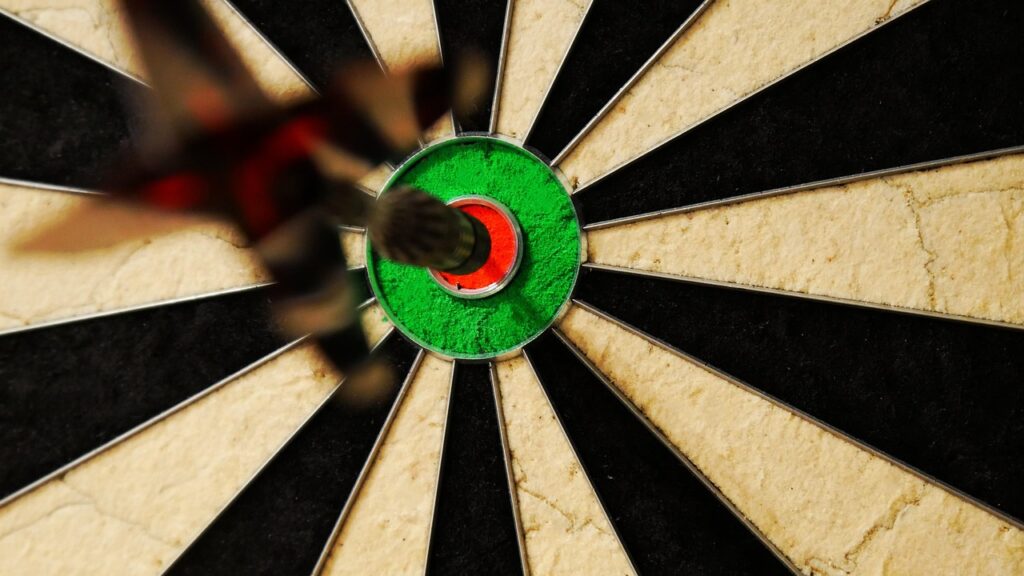
Before you get fancy with flicks or chase headshots, nail the basics. Aim in FPS games isn’t just about fast reflexes it’s about precision, control, and knowing exactly how the game interprets your actions.
Hitbox Physics: Where You Aim Actually Matters
Every FPS has a different approach to hitboxes. Know what counts. Headshots deal high damage, but they’re a smaller target, so don’t waste time spraying wildly. Learn the hit zones head, torso, limbs and prioritize based on your comfort and enemy movement. Center mass is safer. The head is riskier but lethal. Understand which weapons reward precision and which forgive a little chaos.
Recoil Patterns and How to Control Them
Spray and pray doesn’t work past silver tier. Most guns have predictable recoil. The game doesn’t just push your bullets upward randomly there’s a pattern, and you can learn it. Fire a full magazine at a wall, watch where the bullets go, and then practice pulling your aim in the opposite direction. Short bursts, controlled fire, and tracking recoil with muscle memory will outperform panic shots every time.
Sensitivity Settings: DPI, In Game Sensitivity, and eDPI Basics
DPI (dots per inch) is controlled by your mouse. In game sensitivity is, well, in your settings. Multiply the two and you get eDPI your true sensitivity. Don’t guess. Find what’s comfortable and stick with it. High sensitivity means faster turns, but less control. Low sensitivity gives you precision, but you’ll need more room to move your mouse. Most pros stay in the mid range, prioritizing muscle memory over speed hacking your aim. Consistency wins aim fights more than twitchy flicks.
Fine Tune Your Settings Like a Pro
Your gear doesn’t need to be top shelf, but it does need to be right for you. Start with your mouse: low latency is a must. Wired is still king if you’re chasing milliseconds. Pair it with a pad that gives you control, not glide. Set your DPI between 400 800 and adjust in game sensitivity until your aim feels predictable not too twitchy, not too sluggish.
Now the monitor. If you’re still gaming on a 60Hz screen, you’re playing with a handicap. Upgrade to at least 120Hz (144Hz is the sweet spot) for smoother movement tracking. Make sure V Sync is off and use DisplayPort if you’re on PC it reduces input delay.
Next, your crosshair. Small, static, and high contrast. Avoid animations or colors that blend into the game world. Lime green, white, or bright cyan often pop well across maps. Play around until visibility and precision line up perfectly.
Finally, audio. Sound cues win fights. Footsteps, reloads, abilities they all tell a story. Ditch built in monitor speakers. Use over ear headphones, and turn off background music in game. Boost enemy related frequencies if your game or sound card allows. You’ll start hearing plays before you see them.
Set it up right, and your aim won’t be fighting your hardware.
Build Muscle Memory with Purpose
There’s no shortcut to good aim, but there is a system and aim trainers like Kovaak’s or Aim Lab are built around it. These tools work because they remove the noise. No random deathmatch chaos, no distractions just raw repetition, precision, and feedback. You get to isolate your weakness, whether it’s tracking a moving target or hitting quick flick shots, and hammer away at it until it stops being a weakness.
But don’t overdo it. Aim practice isn’t about grinding for hours until your wrist gives out. Ten to twenty minutes a day, five times a week, is plenty if it’s focused. Think of it like stretching before a workout habitual and targeted. Do a warm up, run through a couple of tracking scenarios, add in a few flicking drills, and wrap up. Go in with a plan; log your scores if you want to improve.
Tracking and flicking are different animals. Tracking is about staying locked onto a moving target smoothly, keeping your crosshair steady. Flicking is about snap accuracy moving fast, stopping on a dime. Good aimers train both every week. It’s not about choosing one it’s about knowing when to use each, building that muscle memory, and letting your hands take over just one step ahead of your brain.
Know the Game, Know the Meta

You can’t improve your aim without understanding how your movement affects it. Every FPS handles this differently, and Vivid2201 is no exception. Sprinting, crouching, sliding it all impacts your hit registration and crosshair placement. If you’re the player who jumps around corners spraying wildly and wondering why your shots miss, that’s your first clue: study how the game penalizes poor movement.
Map control is another core piece. Pre aiming common angles is what separates casuals from killers. If you’re walking into a bomb site or key chokepoint without your crosshair already lined up on the head level corner where enemies tend to peek, you’re playing reactive instead of proactive. Walk into fights ready, not surprised.
Finally, watch how the top tier players do it. No ego, just observation. The best aimers aren’t just fast they’re smart. They know when to take space, when to hold ground, how to clear angles with minimal risk. Copy their camera work, peek timing, and movement pacing. Adapt what works into your own style.
For a more detailed case study, check out how Vivid2201 approaches map flow and combat pacing in high ELO lobbies right here.
Mindset and Consistency = Long Term Gains
Improving aim isn’t just about reflexes mindset plays a massive role. Ever rage queued and played worse with every match? That’s tilt. It sneaks in quietly, then wrecks your performance and steals your focus. Recognizing it early is key. If frustration sets in, stop. Step away. Even 15 minutes can reset your brain, save hours of poor gameplay, and protect your long term motivation.
Don’t underestimate the physical toll either. Sitting rigid, clicking endlessly your hands, shoulders, and eyes catch heat fast. Micro breaks, stretches, and hydrated sessions may seem minor, but they’re what pros do to stay sharp. Burn your muscles out, and you kill your consistency.
Also, start logging your aim progress. Use aim trainers or in game metrics to track accuracy, reaction time, and KD ratios. Progress can feel invisible without data. Tracking your numbers gives perspective, reveals patterns, and shows where you’re actually getting better. Small wins add up but only if you notice them.
Learn From Vivid2201
Vivid2201 didn’t get deadly aim just by logging hours they train with intent. Their practice style blends precision focused warmups with scenario based drills that replicate real match pressure. No fluff, no filler just reps that matter. It’s not about flicking endlessly at bots. It’s about movement sync, positioning, shot timing, and reading patterns in the chaos.
One thing that sets Vivid apart: they lean on tactical play over twitch reactions. Reflexes help, but good decision making keeps them in control of the fight more often than not. They pre aim smart angles, bait peeks, and only flick when they’ve already stacked the odds. If you’re relying on pure speed and not thinking three seconds ahead, you’re playing checkers they’re playing chess.
You can mimic this approach. Build a short daily warm up routine that balances micro (crosshair control, flicks, tracking) and macro (movement, peek timing, positioning). Keep it sharp 20 to 30 minutes max. Log results, adjust, repeat. Over time, you’ll stop reacting and start predicting.
Want a closer breakdown of their evolution? Check out the full piece on Vivid2201’s player evolution and routine.
Final Boosts That Matter
Grinding for hours on end won’t magically sharpen your aim. Play with intention. Go into each session with a focus whether it’s crosshair placement, recoil control, or tracking. Don’t just queue up, shoot stuff, and hope for improvement. If you’re not testing something, you’re likely reinforcing bad habits.
Second: watch your own gameplay. Sounds painful, but it’s gold. You’ll spot patterns you miss in the moment slow crosshair movement, over peeking, poor positioning. Self review is one of the fastest ways to plug holes in your game. Treat every clip like a lesson.
And yes, lean on tech but don’t let it carry you. Aim trainers, replays, overlays, sensitivity calculators they’re all tools, not crutches. Use them smartly. The secret sauce isn’t the software. It’s focus, repetition, and the discipline to fix what’s broken.
 Ozirian Quenthos has opinions about esports tournament insights. Informed ones, backed by real experience — but opinions nonetheless, and they doesn't try to disguise them as neutral observation. They thinks a lot of what gets written about Esports Tournament Insights, Expert Commentary, Player Strategy Guides is either too cautious to be useful or too confident to be credible, and they's work tends to sit deliberately in the space between those two failure modes.
Reading Ozirian's pieces, you get the sense of someone who has thought about this stuff seriously and arrived at actual conclusions — not just collected a range of perspectives and declined to pick one. That can be uncomfortable when they lands on something you disagree with. It's also why the writing is worth engaging with. Ozirian isn't interested in telling people what they want to hear. They is interested in telling them what they actually thinks, with enough reasoning behind it that you can push back if you want to. That kind of intellectual honesty is rarer than it should be.
What Ozirian is best at is the moment when a familiar topic reveals something unexpected — when the conventional wisdom turns out to be slightly off, or when a small shift in framing changes everything. They finds those moments consistently, which is why they's work tends to generate real discussion rather than just passive agreement.
Ozirian Quenthos has opinions about esports tournament insights. Informed ones, backed by real experience — but opinions nonetheless, and they doesn't try to disguise them as neutral observation. They thinks a lot of what gets written about Esports Tournament Insights, Expert Commentary, Player Strategy Guides is either too cautious to be useful or too confident to be credible, and they's work tends to sit deliberately in the space between those two failure modes.
Reading Ozirian's pieces, you get the sense of someone who has thought about this stuff seriously and arrived at actual conclusions — not just collected a range of perspectives and declined to pick one. That can be uncomfortable when they lands on something you disagree with. It's also why the writing is worth engaging with. Ozirian isn't interested in telling people what they want to hear. They is interested in telling them what they actually thinks, with enough reasoning behind it that you can push back if you want to. That kind of intellectual honesty is rarer than it should be.
What Ozirian is best at is the moment when a familiar topic reveals something unexpected — when the conventional wisdom turns out to be slightly off, or when a small shift in framing changes everything. They finds those moments consistently, which is why they's work tends to generate real discussion rather than just passive agreement.