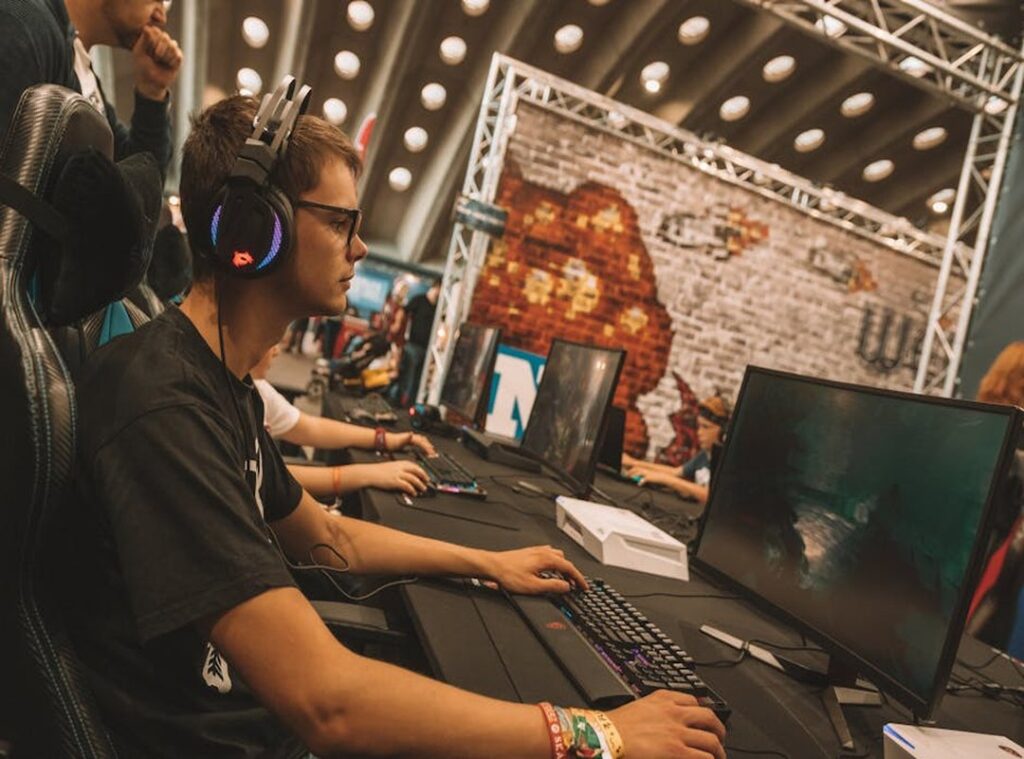
You think gamers are lonely. Stuck in basements. Glued to screens.
I’ve heard that lie a thousand times.
It’s not true. Not here. Not in the Gamrawresports community.
How Gaming Can Be Beneficial Gamrawresports. That’s not marketing talk. That’s what happens every day.
I’ve watched people land jobs because someone in the Discord group shared a lead. Saw shy teens find their voice during weekly voice chats. Watched a veteran rebuild confidence after service.
Just by leading a raid team.
This isn’t about “gaming is good for you.”
It’s about real skills. Real friendships. Real opportunities.
You’re probably wondering: Does this actually translate outside the game? Yes. And I’ll show you exactly how.
No fluff. No theory. Just what I’ve seen, done, and verified with members over years.
By the end, you’ll know why showing up matters more than leveling up.
And why “just a game” is the least accurate phrase you could use.
Forge Real Connections: Not Just Another Discord Server
I joined this community because I was tired of shouting into the void. You know that feeling. You win a match, and nobody’s around to hear it.
This isn’t just about ranked ladders or clutch plays.
It’s about showing up. And being seen.
Gamrawresports built something rare: a space where shared goals in-game actually translate to real trust out-of-game. Not “hey what’s your favorite loadout” small talk. Real talk.
We have Discord channels for cooking fails. Parenting wins. Therapy recs.
One channel is just people sharing terrible Spotify playlists (mine got roasted. Fair).
Team-building sessions aren’t icebreakers. They’re role-specific drills: shot-callers practice active listening. Supports run comms simulations.
It’s structured. But never stiff.
Esports teams force you to rely on others in real time. No do-overs. No solo carry outs.
That pressure cooks up something real: camaraderie.
Loneliness doesn’t vanish overnight. But when your mid-laner texts you “you good?” after your job interview flops? That sticks.
I’ve watched people quit their jobs, move cities, start therapy. All with backup from folks they met in voice chat.
Not because it’s “supposed to happen.” Because it did.
How Gaming Can Be Beneficial Gamrawresports isn’t some vague promise. It’s the friend who remembers your dog’s name. The teammate who covers your shift when you’re sick.
No fluff. No forced positivity. Just people showing up (consistently.)
That’s the part nobody talks about. The game is the excuse. The people are the point.
Sharpen Your Mind: Gaming’s Real Cognitive Payoff
I used to think gaming was just noise. Until I played Counter-Strike for six months straight and noticed something weird: my focus in meetings got sharper. Not by accident.
Strategic Thinking & Problem-Solving is the first thing that changes. In League of Legends, you don’t just click abilities. You watch enemy cooldowns, track jungle timers, and decide right now whether to dive or back off.
One bad rotation loses you the map. I lost fifty games learning that.
Reaction time isn’t magic. It’s muscle memory built through repetition. In Overwatch, you don’t “think” before flicking to headshot.
Your hand knows before your brain catches up. That split-second call under pressure? It bleeds into real life.
Like when your laptop crashes mid-presentation and you reboot without panicking.
Focus gets rewired. A single Valorant round lasts 100 seconds. You track five enemies, manage economy, listen for footsteps, and adjust aim.
All at once. No notifications. No multitasking.
Just raw attention. Try doing that for 90 minutes straight. Then try reading a dense report without checking your phone.
How Gaming Can Be Beneficial Gamrawresports isn’t about hype. It’s about what happens when your brain adapts to high-stakes, fast-moving environments.
I stopped calling it “wasting time” after my GRE verbal score jumped 20 points. Coincidence? Maybe.
But I trained my working memory playing StarCraft II micro-managing three bases at once.
You don’t need to go pro. You just need to play with intent.
I wrote more about this in Why Gaming Is Good for You Gamrawresports.
And no. Tetris doesn’t count. (Sorry, Tetris.)
Pro tip: Play one game deeply for 3 months instead of hopping between ten. Depth beats variety every time.
Beyond the Keyboard: What Gaming Actually Teaches You

I’ve watched players lead squads through chaotic raids. Then watched those same people run marketing teams or manage hospital shifts.
That’s not coincidence. It’s transferable skill.
Being a shot-caller in a 5v5 match? That’s project leadership with real stakes. You assign roles.
You adjust mid-fight. You explain why (not) just what (and) people listen because you’ve earned it. Not because of a title.
You think clear communication is overrated? Try calling out enemy positions while your team’s getting flanked. One vague word and someone dies.
Real-world teams work the same way. Ambiguity kills momentum.
Losing sucks. But analyzing that loss without blaming teammates? That’s resilience.
That’s sportsmanship. I’ve seen players review VODs for 45 minutes, flagging their own misreads. Not the guy who missed the ultimate.
That mindset doesn’t stay in-game.
Adaptability isn’t theoretical here. A patch drops. Your main hero gets nerfed.
Your duo partner quits. You pivot. Fast.
No meeting. No approval. Just action.
That flexibility shows up in job interviews, client calls, even parenting.
This isn’t about defending gaming to your skeptical uncle. It’s about naming what’s already happening. Skills built under pressure.
If you’re still wondering whether gaming builds anything useful, check out Why Gaming Is Good for You Gamrawresports. It breaks down the evidence, not the hype.
Tested in real time.
How Gaming Can Be Beneficial Gamrawresports isn’t a slogan. It’s measurable. It’s repeatable.
It’s happening right now.
You don’t need to justify your hobby. You just need to name what it’s teaching you.
And then use it.
Gamrawresports: Where You Actually Level Up
I joined Gamrawresports because I was tired of shouting into the void.
This isn’t just another Discord server with 200 people and one active mod.
You can become a team captain after three months. No gatekeeping, no interviews. Just show up, lead practice, and earn trust.
Coaching? Same thing. They’ll pair you with a mentor and give you real tools.
Not theory. Tools.
Want to edit videos or design banners? The community runs weekly feedback rounds. Real critique.
No fluff. I dropped my first stream here (got) 17 viewers and three solid suggestions. That’s how growth works.
How Gaming Can Be Beneficial Gamrawresports isn’t some vague slogan. It’s what happens when you stop watching and start doing.
They even post Gamrawresports Latest Gaming. Stuff that actually saves time during tournaments. Try it.
See if your reaction time improves. (It will.)
You Belong Here
I’ve seen what happens when people show up as themselves.
They stop feeling isolated. They start thinking sharper. They build real skills (teamwork,) plan, quick decisions.
This isn’t about grinding levels or chasing loot.
It’s about showing up for each other. Growing together. Getting better at life (not) just the game.
How Gaming Can Be Beneficial Gamrawresports? It’s not theory. It’s happening right now in our Discord, our tournaments, our voice chats.
You’re tired of gaming alone. Tired of it feeling empty.
So why keep scrolling?
Join a team. Show up for the next event. Or just say hello in the Discord.
We’re the #1 rated community for real connection through gaming.
Your turn.
This is how it starts.
 Steven Whitesiderston is the kind of writer who genuinely cannot publish something without checking it twice. Maybe three times. They came to gaming news and updates through years of hands-on work rather than theory, which means the things they writes about — Gaming News and Updates, Player Strategy Guides, Game Reviews and Critiques, among other areas — are things they has actually tested, questioned, and revised opinions on more than once.
That shows in the work. Steven's pieces tend to go a level deeper than most. Not in a way that becomes unreadable, but in a way that makes you realize you'd been missing something important. They has a habit of finding the detail that everybody else glosses over and making it the center of the story — which sounds simple, but takes a rare combination of curiosity and patience to pull off consistently. The writing never feels rushed. It feels like someone who sat with the subject long enough to actually understand it.
Outside of specific topics, what Steven cares about most is whether the reader walks away with something useful. Not impressed. Not entertained. Useful. That's a harder bar to clear than it sounds, and they clears it more often than not — which is why readers tend to remember Steven's articles long after they've forgotten the headline.
Steven Whitesiderston is the kind of writer who genuinely cannot publish something without checking it twice. Maybe three times. They came to gaming news and updates through years of hands-on work rather than theory, which means the things they writes about — Gaming News and Updates, Player Strategy Guides, Game Reviews and Critiques, among other areas — are things they has actually tested, questioned, and revised opinions on more than once.
That shows in the work. Steven's pieces tend to go a level deeper than most. Not in a way that becomes unreadable, but in a way that makes you realize you'd been missing something important. They has a habit of finding the detail that everybody else glosses over and making it the center of the story — which sounds simple, but takes a rare combination of curiosity and patience to pull off consistently. The writing never feels rushed. It feels like someone who sat with the subject long enough to actually understand it.
Outside of specific topics, what Steven cares about most is whether the reader walks away with something useful. Not impressed. Not entertained. Useful. That's a harder bar to clear than it sounds, and they clears it more often than not — which is why readers tend to remember Steven's articles long after they've forgotten the headline.