

AAA Studios Double Down on Live Service Models
The live service model isn’t going anywhere in fact, it’s becoming the default for AAA publishers in 2024. Studios behind juggernauts like Destiny and Call of Duty are pushing updates faster and more aggressively than ever. Forget yearly releases; it’s all about seasons, expansions, and constant refreshes.
Why now? Part of it is economics. Recurring content means recurring revenue, and publishers are designing roadmaps that keep players spending over the long term. For players, there’s the upside of regular patches, evolving story arcs, and gameplay that stays fresh. But it’s a trade off. Loot fatigue is real. So is burnout from limited time events and battle passes stacked on top of one another.
Bottom line: games are becoming more like social platforms with all the engagement hooks that come with them. Whether that improves the experience or turns it into a grind depends on how studios balance value versus volume.
Game Engines Get a Major AI Infusion
The game dev grind is getting a serious upgrade. Unreal Engine 6 and UnityX have both shipped support for built in AI driven procedural generation, and the changes are already visible across early 2024 titles. Entire environments terrain, interiors, even dynamic quests can now be generated with minimal human input. What used to take weeks or months can now be prototyped in hours.
This isn’t just about speed. It’s about scale. Indie developers with small teams are building open world games that look like they came from a AAA studio. Large studios are cutting dev cycles without compromising on ambition. AI isn’t stealing jobs here it’s freeing up creators to focus on things only humans do well: story, pacing, emotional tone.
Still, technical debt and creative control are real concerns. Not every AI generated dungeon feels right. But with refinement loops that learn from player behavior, even that is changing. A procedural future is no longer hypothetical.
If you want the nuts and bolts of why this matters long term, take a look at how AI is transforming the video game development process.
Cloud Gaming Is Heating Up (Again)
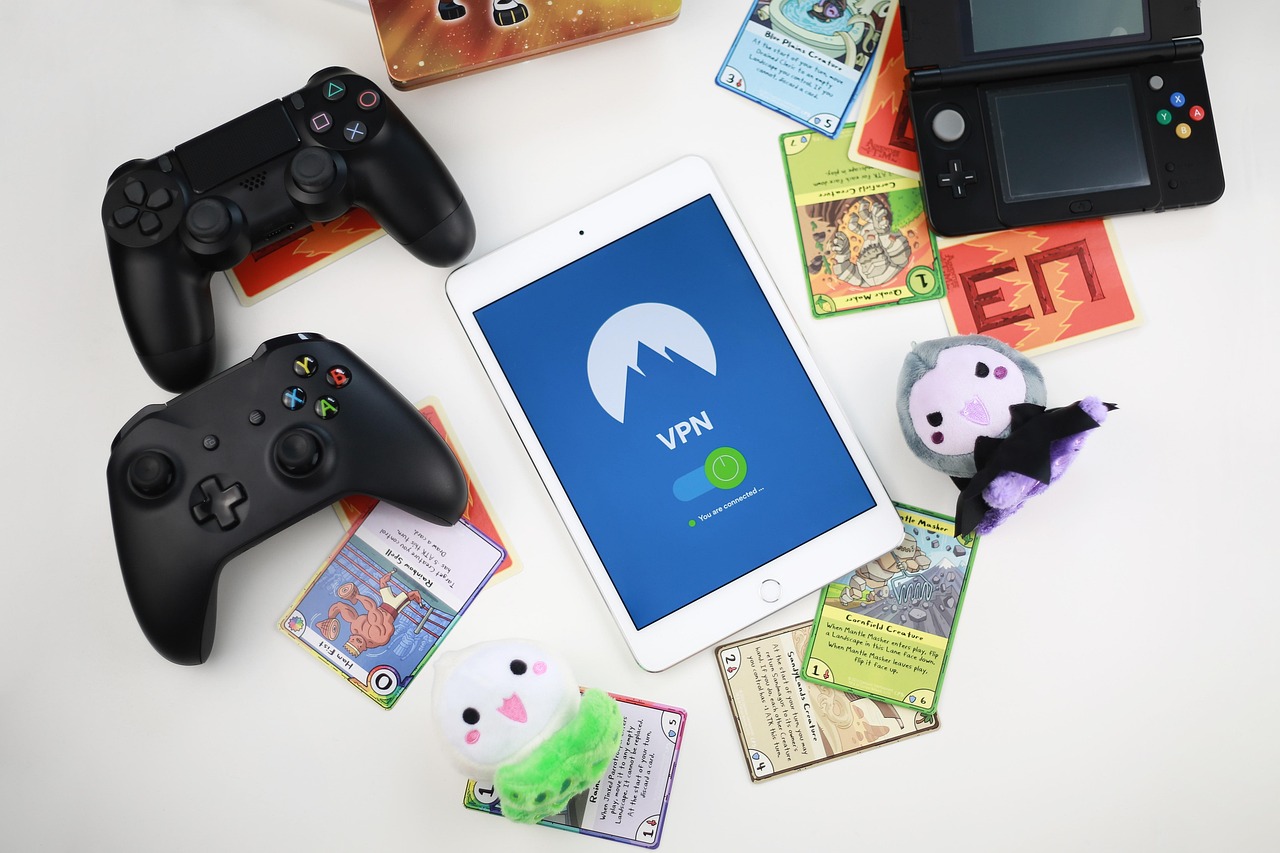
Cloud gaming is no longer a moonshot it’s getting real traction. Amazon Luna 2.0 and NVIDIA’s RTX Now are quietly expanding server coverage across key regions, cutting down latency and finally delivering on the promise of real time responsiveness. For players, this means smoother streams, faster load ins, and fewer visual hiccups even on modest hardware.
But the most interesting shift isn’t just technical. Indie developers are leaning into cloud first launches, skipping traditional downloads altogether. It lowers entry barriers for players and gives devs rapid global reach. No console, no storage limits you just press play.
Still, the model’s far from settled. Subscription bundles are stacking up fast, and it’s unclear how sustainable or digestible all those fees are. Plus, the old offline question nags at gamers: when the servers go dark or your connection lags, what happens to access?
Cloud gaming isn’t a niche play anymore. It’s a battleground and 2024 may be the year we find out who wins.
Play to Earn Makes a Strategic Return
A Comeback But With Caution
After the highly publicized crash in 2024, blockchain based gaming is re entering the spotlight with a more measured and thoughtful approach. Studios that once chased hype are now emphasizing long term sustainability and player experience.
Key changes in the play to earn (P2E) landscape:
No more token first strategies games are prioritizing gameplay over speculation
Reward systems are being redesigned to promote player engagement, not exploitation
Governance and asset ownership are being simplified for broader accessibility
Fun First, Not Finance First
Developers are now viewing blockchain as a tool not a headline. That means:
Gameplay comes before monetization
In game economies are built around user retention, not short term profits
Many studios are choosing to hide blockchain mechanics under the hood to reduce friction for traditional gamers
Player Sentiment: Hopeful but Hesitant
Gamers are approaching this resurgence with cautious optimism:
Players welcome the return of digital asset ownership but only if it’s optional
Community driven titles are gaining credibility through transparent roadmaps
Adoption is much slower, but steadily growing as trust is rebuilt
In short, play to earn isn’t dead it’s evolving. The emphasis on fun first design may determine whether this model finds a place in mainstream gaming or fades again into obscurity.
Accessibility As a Core Design Philosophy
Accessibility in gaming is no longer a helpful add on it’s becoming a standard. Major platform holders are turning inclusive design into a mainstream expectation, and the ripple effect is reshaping how games are developed across the board.
Microsoft Sets the Tone
All titles launching under Microsoft’s umbrella in 2026 will include adaptive input profiles by default
Custom control mapping, variable input timing, and response sensitivity are now standard features
Xbox Accessibility Guidelines (XAGs) have become a blueprint for industry wide change
Sony and Nintendo Step Up
Sony is incorporating layered UI elements designed for low vision users and one handed play
Nintendo has announced updates targeting auditory and motor accessibility without compromising its core gameplay philosophy
Both platforms are emphasizing accessibility not just as technical compliance, but as part of player experience
From Features to Foundation
What was once labeled an “accessibility option” is becoming a default consideration. The philosophy is shifting from reactive adjustments to proactive, universal design.
Game menus, controls, and feedback systems are now built with inclusion in mind from the start
Studios are beta testing with disabled players to improve usability early in the development cycle
Major franchises from shooters to platformers are integrating these changes at genre wide levels
The bottom line: accessibility is no longer a checkbox. It’s part of the creative language of game design and players of all abilities are benefitting.
Gamers Are Now Educators
From Streamer to Teacher
A growing wave of streamers and professional gamers is shifting their focus from pure entertainment to education. This change isn’t just about showcasing gameplay it’s about teaching skills, breaking down mechanics, and helping others level up both in game and in real life.
Popular creators are producing free and paid tutorial content
Many are leveraging their expertise to develop sharable, structured lessons
Viewers are eager to go beyond watching and start learning
The Rise of Gaming Education Platforms
Educational gaming content isn’t limited to YouTube and Twitch anymore. Entire platforms are launching with a focus on coaching, analysis, and structured courses designed by pro players.
Coaching marketplaces like Metafy and GamerzClass continue to gain traction
Skill building walkthroughs are becoming more interactive and tailored
Some streamers are even building their own branded educational hubs
Game Literacy Becomes Career Ready
What was once a niche skillset is now a professional asset. As game literacy grows in value, more players are turning their gaming experience into legitimate career paths.
Esports analysts, game tutors, and course creators are in demand
Educational content adds credibility and diversifies creator income
Teaching games effectively requires content strategy, pedagogy, and audience insight skills as transferable as they are marketable
 There is a specific skill involved in explaining something clearly — one that is completely separate from actually knowing the subject. Jasonaires Lowenthal has both. They has spent years working with esports tournament insights in a hands-on capacity, and an equal amount of time figuring out how to translate that experience into writing that people with different backgrounds can actually absorb and use.
Jasonaires tends to approach complex subjects — Esports Tournament Insights, Player Strategy Guides, Game Reviews and Critiques being good examples — by starting with what the reader already knows, then building outward from there rather than dropping them in the deep end. It sounds like a small thing. In practice it makes a significant difference in whether someone finishes the article or abandons it halfway through. They is also good at knowing when to stop — a surprisingly underrated skill. Some writers bury useful information under so many caveats and qualifications that the point disappears. Jasonaires knows where the point is and gets there without too many detours.
The practical effect of all this is that people who read Jasonaires's work tend to come away actually capable of doing something with it. Not just vaguely informed — actually capable. For a writer working in esports tournament insights, that is probably the best possible outcome, and it's the standard Jasonaires holds they's own work to.
There is a specific skill involved in explaining something clearly — one that is completely separate from actually knowing the subject. Jasonaires Lowenthal has both. They has spent years working with esports tournament insights in a hands-on capacity, and an equal amount of time figuring out how to translate that experience into writing that people with different backgrounds can actually absorb and use.
Jasonaires tends to approach complex subjects — Esports Tournament Insights, Player Strategy Guides, Game Reviews and Critiques being good examples — by starting with what the reader already knows, then building outward from there rather than dropping them in the deep end. It sounds like a small thing. In practice it makes a significant difference in whether someone finishes the article or abandons it halfway through. They is also good at knowing when to stop — a surprisingly underrated skill. Some writers bury useful information under so many caveats and qualifications that the point disappears. Jasonaires knows where the point is and gets there without too many detours.
The practical effect of all this is that people who read Jasonaires's work tend to come away actually capable of doing something with it. Not just vaguely informed — actually capable. For a writer working in esports tournament insights, that is probably the best possible outcome, and it's the standard Jasonaires holds they's own work to.