Laying the Groundwork: Pre Production Strategy
Before an esports event makes it to your screen or a packed arena it starts with dozens of behind the scenes conversations. Game publishers, tournament organizers, and sponsors all need to be on the same page. Publishers set the boundaries around how the game can be used and whether it fits their brand. Organizers map out the logistics. Sponsors want eyeballs, and they want alignment.
Then there’s the matter of where it all goes down. Physical venue or online only? Every setup has its own web of licenses, permits, and insurance requirements. Booking Madison Square Garden is one thing. Navigating local regulations and tech infrastructure is another.
Budgeting adds a second layer of tension. Big LAN tournaments with pyrotechnics and LED walls can cost millions. On the other hand, remote online setups while cheaper still demand strong coordination and broadcast polish. Whether you’re building a stage or a server queue, the dollars have to make sense.
Finally, the rules. Double elimination or round robin? Map bans or full pick drafts? Nail this down early, because changing the format midstream frustrates players, casters, and viewers alike.
This pre production phase isn’t glamorous, but it’s where successful shows are born or where they start falling apart.
Building the Stage: Technical Infrastructure
Esports events aren’t just lights and noise they’re built on rugged, high performance tech stacks that leave no room for error. At the core is the hardware ecosystem: top tier gaming PCs and consoles calibrated for stability and performance. Then comes the fail safe architecture redundant servers, RAID storage, and hot standby systems to keep tournaments running even if something breaks mid match. Crashes aren’t an option.
Connectivity is everything. Tournament grade games demand low latency networking, so LAN configurations are meticulously engineered. Organizers often bring in custom networking solutions, complete with enterprise grade switches and fiber connections. And because high profile events attract attention wanted and not DDoS protection is table stakes. Without it, entire brackets can get wrecked.
When it comes to audio visual, this is where events flex their polish. LED video walls set the scene, dynamic lighting rigs create a mood, and pro level cameras and mic setups carry every moment to audiences worldwide. Sound design isn’t just cues and voice it’s clarity under pressure. Top venues wire everything through centralized control, syncing gameplay, crowd reactions, and broadcasting tight enough to cut with a knife.
Behind every epic play is a fortress of gear keeping the show alive.
Livestreaming and Broadcast Execution
Once the lights go up and the matches begin, the broadcast crew steps in to keep everything moving. Esports events today aren’t just games on a screen they’re multilingual, multi platform productions operating in real time across the globe.
It starts with the talent. Broadcast desks are stacked with commentators covering multiple language feeds, from English and Spanish to Korean and Russian. Each team brings a unique tone, matched to regional audiences. While one crew breaks down high level strategy, another’s leaning into hype and narrative.
Meanwhile, behind the scenes, observers and camera operators are switching angles on the fly. These are the unsung mechanics of the show following player perspectives, zooming in on big moments, and adapting to unpredictable gameplay. Add to that live stat overlays, sponsor graphics, animated scoreboards, and team branding, and it starts to feel more like a live TV show than a casual stream.
Then there’s the platform side. Twitch, YouTube, and local streaming partners each demand different formatting, moderation, and downtime rules. A separate crew handles chat moderation, regional blackouts, and syncing ads on schedule. The whole thing runs on a tight script but has to stay flexible enough for overtimes, delays, or technical hiccups.
It’s not flashy work. But get it wrong and you lose the audience. Get it right and most viewers never notice the highest compliment a broadcast team can earn.
Talent, Teams, and Scheduling

The faces and voices that bring an esports event to life don’t book themselves. Shoutcasters, analysts, and hype desk hosts are handpicked weeks often months in advance. It’s not just about name recognition. Chemistry, game knowledge, and the ability to adapt on the fly matter more than ever. Lock in talent early, give them access to player stats and storylines, and let them prep with production. Your desk can make or break the moment.
Now add in team logistics. Flights, lodging, visas (when applicable), ground transport, meals, and practice setups all nailed down in a tidy spreadsheet and triple confirmed with local contacts. Scrambling for a bootcamp PC or a late night airport pickup isn’t just stressful it’s a showstopper.
Next comes the show day Run of Show (ROS). This document is your bible. It outlines everything: camera moves, talent call times, lighting cues, ad roll sequences, trophy lowers. Everyone touches it from the Stage Manager to the Final Boss of Broadcast.
And when things go sideways and they will you need backup plans. Bracket resets can stretch schedules. Power hiccups can chunk your flow. Streams go down. Matches run late. Expect delays. Build timing buffers into your ROS. Have filler content on standby. Prep your talent to riff without filler words. The polish isn’t in perfection. It’s in making chaos look clean.
Audience Experience (On Site and Online)
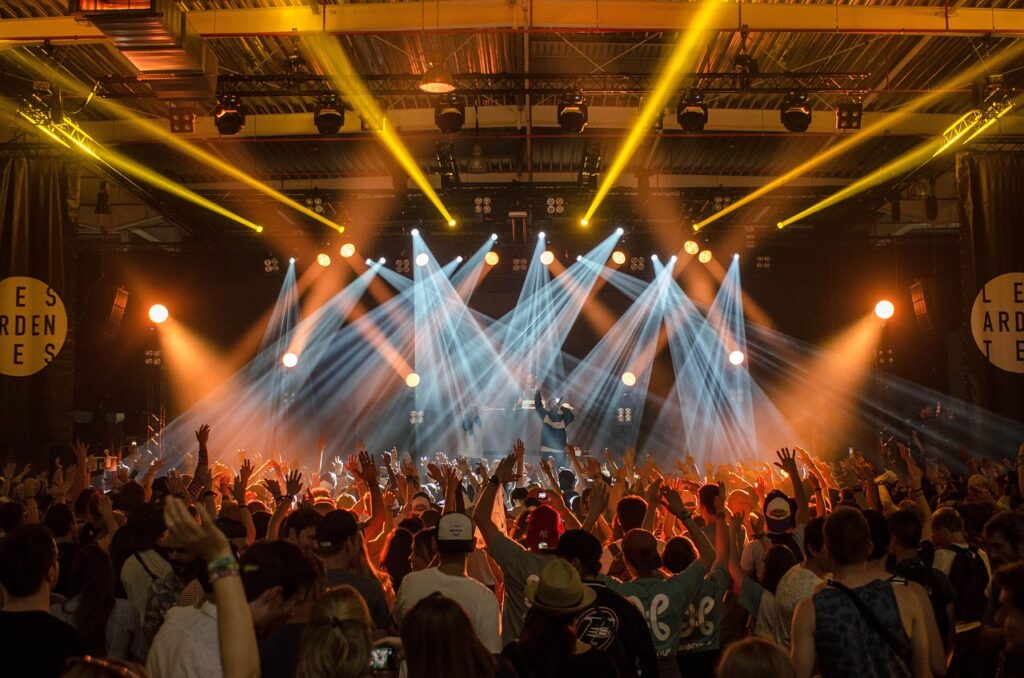
Esports events aren’t just tournaments they’re full blown spectacles. Layout matters. Organizers now carve out dedicated VIP areas loaded with perks: meet and greets, early access, premium seating, and exclusive lounges. General admission gets closer to the action too, with arena designs putting fans a stone’s throw from the main stage. Raised LED platforms with panoramic screens, immersive lighting, and live commentators positioned for visibility turn matches into productions.
On site engagement is built to be interactive. Booths from game studios, hardware brands, and apparel providers flood the concourse with demos, exclusive merch drops, and giveaways. Cosplay contests bring energy between matches, filling downtime with fan driven spotlight moments. From foam swords to full blown powered exosuits, it’s as diverse as the games themselves.
Online viewers aren’t just spectators anymore. In stream polls, chat triggered camera switches, and watch parties on platforms like Discord give fans control and social connection. Event specific digital drops skins, sprays, badges turn moments into mementos. Whether you’re in the arena or watching from your room, the goal is the same: pull you into the world, not just the match.
Behind the Broadcast Booth: Control Rooms and Crew
This is where it all comes together or falls apart. Inside the broadcast control room, a tight crew of production techs, replay ops, and producers make the show feel frictionless. It’s fast, focused, and barely leaves room for mistakes.
Production technicians handle real time vision switching between live player cams, game feeds, crowd shots, and casters. Nothing flashy just precision. They also balance audio levels across multiple sources: game sounds, commentary, music, and ambient mic feeds. Cueing happens in the headset chatter, with sharp directives to make transitions tight and seamless.
Replay teams sit ready to clip game changing plays the second they happen. Timing is everything highlight moments often loop within seconds on broadcast or social media. Miss it, and the hype fizzles. Nail it, and you help shape the story of the match.
Running it all are producers who live and breathe timing. They keep the show on track: pushing sponsors on time, squeezing in analysis segments, and coordinating breaks to fit broadcast windows. When chaos hits a player disconnects, a game crashes they’re the ones juggling contingency plans on the fly. Steel nerves required.
Whether the viewer is watching on Twitch or in a packed arena, what they see is the end result of this behind the scenes choreography. It’s not glamorous. But it’s essential.
Growing the Industry Pipeline
The next wave of esports talent isn’t starting in corporate offices it’s coming out of college rec rooms, on campus arenas, and student run production labs. University level esports leagues have exploded in the last few years, not just in terms of players, but in the entire infrastructure around them. These programs are now a key feeder into the professional scene not only for athletes, but for behind the scenes roles like producers, shoutcasters, observers, and tech leads.
What sets these college systems apart is how hands on they are. Students aren’t just theory crafting in classrooms they’re setting up broadcasts, running event logistics, and troubleshooting mid match server crashes. It’s practical experience with real risk and reward. Schools with robust programs are becoming incubators for studio grade talent, grooming grads who already know how to keep a show running when the stakes are live.
Some universities now offer full esports degrees. Others blend student organizations with support from sponsors or publishers. Either way, these are proving grounds safe enough to learn, high pressure enough to matter. It’s where future producers and technical directors get their first taste of the stress, speed, and precision that live events demand.
For a closer look at this ecosystem, check out The Rise of University Esports Leagues and Their Impact.
Looking Ahead
Esports production in 2026 is no longer bound by cables, cranes, or continents. Virtual production is taking the lead digitally rendered stages, virtual sets, and game engine driven backdrops are letting organizers build immersive experiences at a fraction of the cost. Real time automation has stepped in where humans used to scramble: camera feeds auto switch based on game events, overlays know when to pop without manual prompts, and producers are using AI to detect pivotal moments before the audience even reacts.
But tech alone doesn’t win the crowd. Accessibility is finally front and center. Real time subtitles are standard not optional. Viewers can switch between multiple camera angles from their own devices. And adaptive UIs adjust to screen sizes, internet speeds, and even viewer behavior. The viewing experience molds itself to the audience without sacrificing speed or scale.
So what separates a decent broadcast from a world class one? Precision and storytelling. The best crews aren’t just reacting they’re directing a narrative arc across a complex and often chaotic live event. They anticipate spikes in action, juxtapose emotion and gameplay flawlessly, and create a rhythm that mirrors traditional sports, but with the speed only digital can deliver. The future is seamless, scalable, and smart but the human touch still holds the spotlight.
 Steven Whitesiderston is the kind of writer who genuinely cannot publish something without checking it twice. Maybe three times. They came to gaming news and updates through years of hands-on work rather than theory, which means the things they writes about — Gaming News and Updates, Player Strategy Guides, Game Reviews and Critiques, among other areas — are things they has actually tested, questioned, and revised opinions on more than once.
That shows in the work. Steven's pieces tend to go a level deeper than most. Not in a way that becomes unreadable, but in a way that makes you realize you'd been missing something important. They has a habit of finding the detail that everybody else glosses over and making it the center of the story — which sounds simple, but takes a rare combination of curiosity and patience to pull off consistently. The writing never feels rushed. It feels like someone who sat with the subject long enough to actually understand it.
Outside of specific topics, what Steven cares about most is whether the reader walks away with something useful. Not impressed. Not entertained. Useful. That's a harder bar to clear than it sounds, and they clears it more often than not — which is why readers tend to remember Steven's articles long after they've forgotten the headline.
Steven Whitesiderston is the kind of writer who genuinely cannot publish something without checking it twice. Maybe three times. They came to gaming news and updates through years of hands-on work rather than theory, which means the things they writes about — Gaming News and Updates, Player Strategy Guides, Game Reviews and Critiques, among other areas — are things they has actually tested, questioned, and revised opinions on more than once.
That shows in the work. Steven's pieces tend to go a level deeper than most. Not in a way that becomes unreadable, but in a way that makes you realize you'd been missing something important. They has a habit of finding the detail that everybody else glosses over and making it the center of the story — which sounds simple, but takes a rare combination of curiosity and patience to pull off consistently. The writing never feels rushed. It feels like someone who sat with the subject long enough to actually understand it.
Outside of specific topics, what Steven cares about most is whether the reader walks away with something useful. Not impressed. Not entertained. Useful. That's a harder bar to clear than it sounds, and they clears it more often than not — which is why readers tend to remember Steven's articles long after they've forgotten the headline.