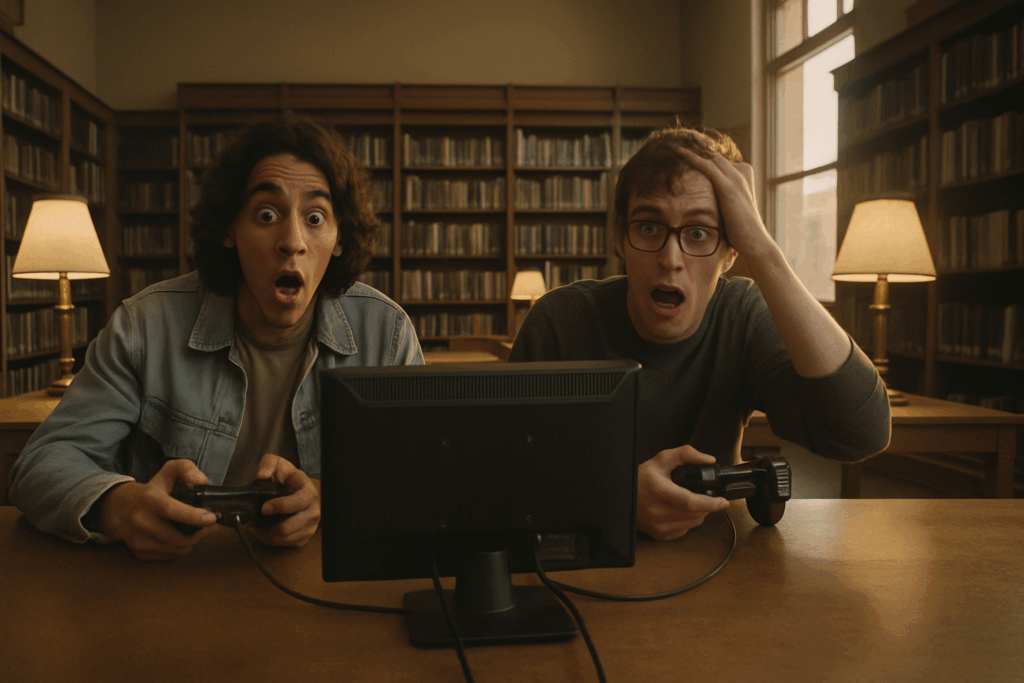

Why Indie Is Winning Big in 2026
Indie games have always thrived on the outside lanes of the industry. But by 2026, they’re not just keeping pace they’re leading. Accessibility and creative freedom are still the lifeblood of the movement. No massive budget? No problem. Tools are cheaper, platforms are open, and entry barriers are practically bulldozed. That kind of freedom draws in the scrappy builders, the storytellers, the misfits. And players are responding.
We’re seeing solo devs and lean teams pushing out titles with more punch than studio built blockbusters. No publisher breathing down their necks. No design by committee compromises. It shows. Games like Echo Bloom and Project Obscura aren’t flukes; they’re signs of a system that’s finally rewarding creativity over clout.
The audience has shifted, too. Gamers aren’t just chasing glossy trailers anymore they’re looking for connection, originality, and purpose. They’ll take a janky UI if the story’s strong or the mechanics are fresh. That emotional pull is something the biggest studios still struggle to replicate. Heart matters now. And indie is full of it.
Industry Trends Powering Indie Growth
The indie boom isn’t running on luck it’s riding a wave of structural shifts. First up, subscription services. Platforms like Game Pass and PlayStation Plus have become unexpected champions of small studios. By putting indies in front of massive audiences for a flat fee, they’re allowing devs to skip the abyss of discoverability. It’s exposure with less burnout.
Then there’s crowdfunding 2.0. New players like BackerPool and IndieJump are flipping the model less about stretch goals, more about tailored mentoring and dealflow. These platforms are helping devs fund faster while building community trust early on. No flashy promise videos needed.
On the dev side, Unreal Engine 5 and Godot are giving small teams the firepower of AAA without the overhead. Combine that with generative AI tools for prototyping and content filling, and now a two person team can build something that used to take a studio of twenty.
And finally, the world just got smaller. Localization tools are getting smarter, cheaper, and faster. Plus, online fan communities are translating, modding, and spreading word of mouth across borders. A breakout game doesn’t just launch local anymore it plays global.
More shifts are coming. For updates, check out Top Gaming Industry Headlines You Don’t Want to Miss This Month.
Breakout Indie Success Stories in 2026
Echo Bloom wasn’t supposed to outsell anyone especially not big budget titles from studios ten times its size. But the game’s quiet beauty, hand drawn animation, and intimate storytelling struck a nerve. Set in a post climate rebuild of Earth, players guide a child through collapsed cities now reclaimed by nature. Critics called it meditative. Streamers called it a gut punch. For a game built by five artists and one programmer, its Q1 numbers were a wake up call: players are hungry for meaning, not just spectacle.
Project Obscura came from even humbler origins. Two developers in Cluj, Romania spent four years crafting a stealth based RPG with pixel art, minimal UI, and a dense, conspiratorial plot. It launched quietly on itch.io then blew up on Reddit, where fans unraveled its lore like it was modern folklore. Now speedrunners showcase it on Twitch, and cult fan sites document every hidden mechanic. The team hasn’t expanded. They refuse publisher deals. Word is, they’re already working on something even weirder.
Synth Shores hit differently. A puzzle game with rhythm mechanics and a vaporwave aesthetic, it was made to be streamed. Twitch did the rest. Viewers could vote on modifiers live during gameplay sessions which ramped up both chaos and community. Within two months, viewer engagement hit levels that caught Netflix’s attention. The mobile rights were licensed in Q2, with a Netflix Games release already topping download charts. Not bad for a game built during a six month game jam.
These aren’t flukes. They’re signals. Indie in 2026 means thinking smaller, feeling deeper, and connecting sharper. The audience isn’t just watching they’re showing up, buying in, and sticking around.
What New Devs Should Learn
Working with a small team or solo doesn’t give you a free pass to ship something forgettable. If anything, tight constraints should sharpen your creativity. Think less about scale, more about impact. Every pixel, feature, and line of dialogue matters. Strip the fluff. Refine what’s left. The best indie hits of 2026 aren’t massive they’re meaningful.
Original mechanics and strong narrative hooks separate the standout titles from the noise. Players don’t need the biggest world they want a reason to care. Games like Echo Bloom or Synth Shores succeeded because they knew what they were, and they committed to being excellent at it. Polish counts. Finishing touches smart UI, solid sound design, bug free play build trust and immersion. Cut corners, and you’ll lose both.
Don’t underestimate your players, either. They’re not just customers they’re your frontline marketers. A sticky, story driven experience launches word of mouth faster than any ad spend. Build shareable moments worth tweeting. Encourage mods. Make it easy to stream. Community isn’t an afterthought it’s a growth engine.
In short: stay focused. Innovate small. Polish hard. And make it personal.
What Comes After the Peak
The surge of indie game success in 2026 raises a big question: can it last? For many developers, the answer lies in choosing between scale and agility. Some studios will evolve bring on permanent team members, expand their scope, and maybe even chase publisher deals on their own terms. Others will double down on what got them here: small, nimble teams making tightly focused games with strong points of view.
But growth comes with pressure. The market’s getting crowded. Steam and itch.io are flooded daily. Subscription models boost exposure, sure but they also flatten discovery and make everyone play the same attention game. To stay visible, indies will need to get even sharper. That means building real communities, showing up across channels, and treating marketing like game design: measured, creative, and player focused.
And here’s the real twist 2026 isn’t the summit. It’s just a high point on a longer climb. The tools are stronger. The audience is wider. And the hunger for original, meaningful games isn’t going away. A well made indie still has that old magic: it surprises, connects, and carves out space that no algorithm can predict. As long as that holds, the next big wave might already be in motion.
 Steven Whitesiderston is the kind of writer who genuinely cannot publish something without checking it twice. Maybe three times. They came to gaming news and updates through years of hands-on work rather than theory, which means the things they writes about — Gaming News and Updates, Player Strategy Guides, Game Reviews and Critiques, among other areas — are things they has actually tested, questioned, and revised opinions on more than once.
That shows in the work. Steven's pieces tend to go a level deeper than most. Not in a way that becomes unreadable, but in a way that makes you realize you'd been missing something important. They has a habit of finding the detail that everybody else glosses over and making it the center of the story — which sounds simple, but takes a rare combination of curiosity and patience to pull off consistently. The writing never feels rushed. It feels like someone who sat with the subject long enough to actually understand it.
Outside of specific topics, what Steven cares about most is whether the reader walks away with something useful. Not impressed. Not entertained. Useful. That's a harder bar to clear than it sounds, and they clears it more often than not — which is why readers tend to remember Steven's articles long after they've forgotten the headline.
Steven Whitesiderston is the kind of writer who genuinely cannot publish something without checking it twice. Maybe three times. They came to gaming news and updates through years of hands-on work rather than theory, which means the things they writes about — Gaming News and Updates, Player Strategy Guides, Game Reviews and Critiques, among other areas — are things they has actually tested, questioned, and revised opinions on more than once.
That shows in the work. Steven's pieces tend to go a level deeper than most. Not in a way that becomes unreadable, but in a way that makes you realize you'd been missing something important. They has a habit of finding the detail that everybody else glosses over and making it the center of the story — which sounds simple, but takes a rare combination of curiosity and patience to pull off consistently. The writing never feels rushed. It feels like someone who sat with the subject long enough to actually understand it.
Outside of specific topics, what Steven cares about most is whether the reader walks away with something useful. Not impressed. Not entertained. Useful. That's a harder bar to clear than it sounds, and they clears it more often than not — which is why readers tend to remember Steven's articles long after they've forgotten the headline.