Know Your Stealth Archetype
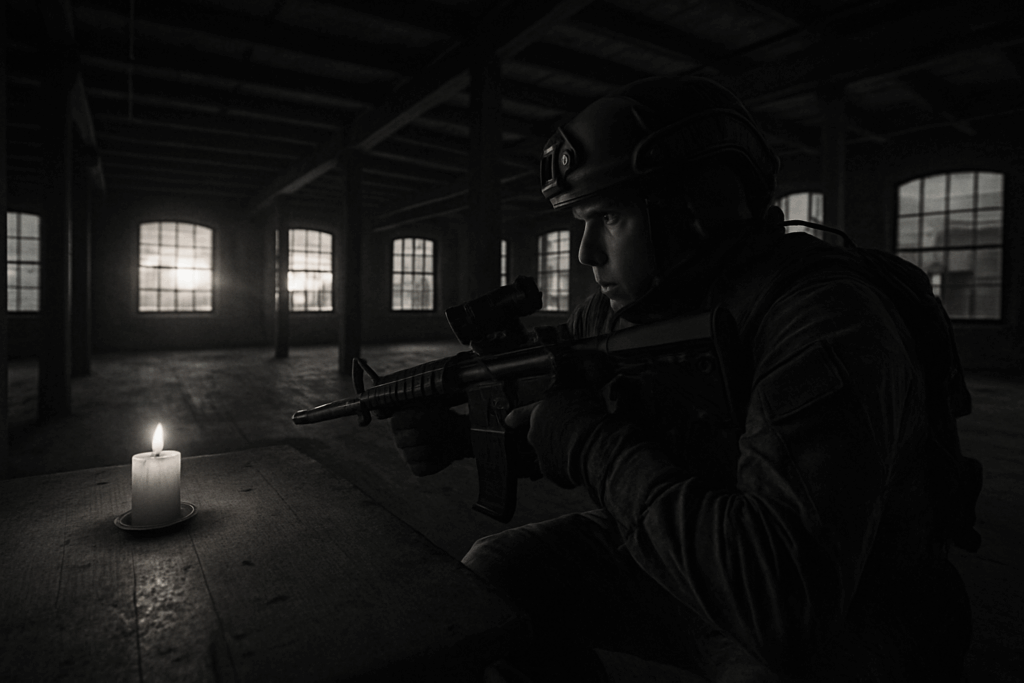
Before you crawl through your first vent or knock out your first guard, you need to know what kind of stealth player you are. There are three core styles: ghosting, predator, and hybrid. Knowing which one fits you and the game you’re playing sets the tone for every choice you’ll make.
Ghosting is the purist’s path: no kills, no detections, no footprints like you were never there. It’s high stakes, high satisfaction, best suited to games that reward precision and patience (think Dishonored or Thief). Predator is the opposite. You’re still sneaky, but you’re making the shadows into your hunting ground. You strike, eliminate threats, and leave no witnesses. Games like Splinter Cell or The Last of Us let this playstyle shine, where silence doesn’t mean mercy.
Then there’s hybrid: the most flexible lane. Not every situation needs black and white rules. You ghost when it counts, but you’re not above neutralizing a threat if it keeps the mission from unraveling. It’s adaptable and realistic perfect for dynamic games with shifting stakes, uneven AI, or chaotic environments.
Match your stealth type to the tools a game actually supports. A tight, binary detection system probably favors ghosting. If takedown options are deep and weapons are tuned for silence, predator might be more rewarding. And if both are available, don’t be afraid to switch mid mission. Stealth isn’t just a tactic it’s a mindset.
Use Light and Shadow Like a Pro
Lighting isn’t just eye candy it’s the backbone of stealth across most games. But not all titles handle it the same way. In Thief, shadow is gospel; you’re invisible if you’re in the dark and your light gem agrees. In Hitman, visibility is more contextual line of sight, disguise believability, and clear lighting zones all factor in. Splinter Cell sits somewhere in between, with dynamic lighting systems that respond to your gadgets and movement.
The constant in all of them? Darkness = safety. Move through the shadows. Hug walls. Avoid bright corridors unless you’re baiting a guard. If the game gives you tools to kill or cut lights, use them. Not just to clear your path, but to force enemy behavior. Kill a hallway light and AI will investigate giving you space elsewhere.
Dynamic lighting can work for you or against you. Set explosions to temporarily blind cameras. Toss a flare to draw guards away from your real path. Stealth is about control, and lighting is one of the purest forms of it if you’re paying attention.
If you want to get ghost like, you’ll need to learn how each game defines ‘visibility’ then turn that system into your ally.
Master Timing and Enemy Patterns
In stealth gameplay, timing isn’t a perk it’s the backbone. Every camera sweep, guard patrol, or motion sensor follows a loop. Your job is to crack that cycle. Study guard routes like clockwork. Watch for moments when two patrols overlap, or when a camera blind spot opens up. If you’re just charging forward, you’re playing loud with a stealth mask on.
AI routines often feel predictable until they don’t. That’s where rhythm comes into play. Good stealth reads like music: there’s a beat to follow, and offbeat moments to exploit. Wait in cover until the timing aligns. Patience isn’t just a virtue it’s a weapon. Make your move when their pattern hands you the gap, not before.
Most importantly, use pause as a tactic. When you freeze, the AI keeps running its script until they glitch or mess up. Rushing breaks stealth. Waiting breaks them.
Go Low, Go Quiet
Stealth isn’t about standing still it’s about moving the right way. Crouch walking and prone movement aren’t just slow for show; they dramatically cut down your noise footprint, especially when you’re in a tight spot with enemies just around the corner. Want to nail silent movement? Stay low, keep it smooth, and never sprint unless your life depends on it.
Gear makes a difference too. Suppressors aren’t just cool they keep you off the radar. Soft soled boots dampen steps, and gear built for silent takedowns means you can eliminate threats without calling in the cavalry. Avoid clunky armor or weapon swaps that make too much of a racket.
And whatever you do, respect terrain. Not all surfaces are created equal. Metal grates, gravel, broken glass they’re basically enemy alarms. Internalize the noise radii of each material and path like a pro. Memorize the safe zones, avoid the loud ones. You’re not trying to be a ghost just in mindset you’re trying to be one in sound too.
Diversion Tactics That Actually Work
Noise is your strongest ally and your worst enemy when used wrong. Tossing bottles, coins, or debris is classic for a reason: it works, but only if you’re smart about it. Don’t just chuck anything at random. Place objects to steer enemies where you want them, then slip past or close in. It’s less about distraction, more about chess.
Environmental sounds alarms, radios, machines are louder, stickier bait. Flip a breaker at the right moment and you’ll pull half a patrol off course. These cues double as misdirection and movement cover. Stack them with your throwables and you’ll have a playbook of sound based dominance.
But here’s the catch: spamming doesn’t confuse enemies it teaches them. Overdo it, and AI routines escalate. What starts as curiosity becomes a search pattern. Once that happens, hiding gets harder, and your window to finish the job shrinks fast.
Use noise like you would a lockpick: precise, timely, and intentional.
Use Verticality to Outsmart the AI
Using height to your advantage isn’t just cinematic it’s strategic. Many stealth players overlook vertical options, but seasoned pros know the high ground can change everything.
Why Verticality Matters
Being above your enemies offers several tactical perks:
Wider Vision: Spot patrol routes, obstacles, and blind spots before committing.
Escape Routes: Rooftops, vents, and beams provide fast ways out when plans go sideways.
Detection Reduction: NPCs often have limited upward vision staying above can keep you hidden in plain sight.
Key Vertical Tools and Tactics
Don’t just stay low go up. Use environmental features to slip past threats undetected:
Ledge Grabs: Hang just out of sight to avoid line of sight patrols.
Rooftops: Ideal for plotting paths, sniping, or ghosting entire sections.
Air Vents and Rafters: Great for infiltration and moving around without setting off alarms.
Bonus Tip: Think in Layers
Treat your environment as a 3D puzzle. When horizontal movement is too risky, vertical mobility often reveals safer and smarter routes. Stack your options and stay unpredictable.
Minimize the UI, Maximize Awareness
One of the most overlooked pillars of stealth mastery is environmental awareness and often, your own user interface gets in the way. Many stealth pros intentionally strip down their HUD to heighten their alertness and responsiveness in real time.
Why a Clutter Free Screen Pays Off
Disabling parts of your UI can:
Reduce visual noise and distraction
Help you focus on subtle animation and lighting cues
Encourage deeper engagement with the game’s design
Tip: Start by turning off enemy markers, minimaps, and objective indicators. Choose one or two elements at a time so the transition is manageable.
Train Your Ears and Eyes
With fewer visual aids, your next step is to sharpen your environmental reading skills:
Audio Cues: Footsteps, creaking doors, distant conversations these are all tools in your stealth kit. Use a headset to catch directional audio.
Visual Tells: Watch for shifting lights, shadow movement, and enemy posture. Many modern stealth AI routines include micro animations that signal awareness shifts.
Build Muscle Memory and Awareness Over Time
Playing HUD less isn’t just about realism it’s about amplifying your skill ceiling. With time, this intentional limitation builds:
Muscle memory for movement and situational response
A stronger grasp of map layouts through exploration
The ability to predict and adapt to AI behaviors without visual prompts
Bottom Line: Fewer crutches = more control. Master the environment, not just your UI.
Customize Your Controls for Precision
Stealth isn’t just about where you move it’s about how efficiently you control the move. That starts with dialing in your inputs. Adjust mouse or stick sensitivity to avoid oversteering around tight corners or overshooting targets. Lower sensitivity often helps with smoother aim and more deliberate movement, especially when timing is everything.
Don’t stop there. Tweak dead zones so your character isn’t fidgeting when your hands aren’t. Rebind keys or buttons to make crouching, pausing, or quick selecting tools second nature. You shouldn’t be fumbling for the right command mid sneak.
Take it further with custom profiles or macros. Build a loadout setup for pure stealth with silent gear, toggled walk states, or quick switches to distraction items. The idea is minimal noise both physically and mentally. Your muscle memory should do the work so your brain can focus on the next move, not the next input.
Leverage Genre Specific Mechanics
Not all stealth is built the same. The tactics that work in a squad based RTS fall flat in a dialogue heavy RPG, and vice versa. If you’re serious about mastering stealth, play it smart within your genre.
In RPGs, don’t sleep on social stealth. Skip the shadows altogether by leaning into charisma rolls, faction costumes, and dialogue trees. You can walk straight past guards if you’re wearing the right boots and have the charm to back it up. Look for questlines where stealthy outcomes rely more on wit and roleplay than hiding in barrels.
In strategy stealth games, like the XCOM family or Invisible Inc., the trick is to manipulate vision cones, initiative order, and movement fog. Treat the battlefield like a puzzle. Pull enemies out of line with sound pings or bait, then act during their downtime cycles. Initiative is everything get the drop before they start scanning the board.
For speed based stealth games like Dishonored, Metal Gear Solid, or stealth based speedruns timing is king. You’re not just trying to avoid enemies; you’re engineering flows. That means memorizing patrol loops, optimizing pathing, and knowing exactly when to click. Every extra crouch or missed mantle adds seconds. Take a deep dive into Route Optimization Strategies for Speedrunners if you’re ready to turn stealth into a science.
Each genre has its own rules. Break them and the game punishes you learn them and you vanish without a trace.
Record, Review, Improve
Stealth doesn’t reward guesswork. The best players treat every failed attempt like a lab report. Start by recording your runs every slip up, every moment you panic spammed a gadget or walked straight into a camera. Then actually watch them. Pause. Rewind. Ask why that guard turned, why the camera caught you, and what you missed in the environment. Your footage tells you more than the mission summary ever will.
Next, break down elite player replays. Find creators who speedrun or ghost missions without a single alert. Watch how they move, how long they wait, how they stack actions. If you’re still winging stealth based on instinct instead of data, you’re capping your own progress. Great movement isn’t flashy it’s clean.
This becomes crucial in 2026’s new wave of AI driven stealth sims. Enemies now learn. React. Change. That failed attempt isn’t a red stamp it’s your simulation training. Fail smart, review well, and improve on purpose. Nothing else cuts it.
 There is a specific skill involved in explaining something clearly — one that is completely separate from actually knowing the subject. Jasonaires Lowenthal has both. They has spent years working with esports tournament insights in a hands-on capacity, and an equal amount of time figuring out how to translate that experience into writing that people with different backgrounds can actually absorb and use.
Jasonaires tends to approach complex subjects — Esports Tournament Insights, Player Strategy Guides, Game Reviews and Critiques being good examples — by starting with what the reader already knows, then building outward from there rather than dropping them in the deep end. It sounds like a small thing. In practice it makes a significant difference in whether someone finishes the article or abandons it halfway through. They is also good at knowing when to stop — a surprisingly underrated skill. Some writers bury useful information under so many caveats and qualifications that the point disappears. Jasonaires knows where the point is and gets there without too many detours.
The practical effect of all this is that people who read Jasonaires's work tend to come away actually capable of doing something with it. Not just vaguely informed — actually capable. For a writer working in esports tournament insights, that is probably the best possible outcome, and it's the standard Jasonaires holds they's own work to.
There is a specific skill involved in explaining something clearly — one that is completely separate from actually knowing the subject. Jasonaires Lowenthal has both. They has spent years working with esports tournament insights in a hands-on capacity, and an equal amount of time figuring out how to translate that experience into writing that people with different backgrounds can actually absorb and use.
Jasonaires tends to approach complex subjects — Esports Tournament Insights, Player Strategy Guides, Game Reviews and Critiques being good examples — by starting with what the reader already knows, then building outward from there rather than dropping them in the deep end. It sounds like a small thing. In practice it makes a significant difference in whether someone finishes the article or abandons it halfway through. They is also good at knowing when to stop — a surprisingly underrated skill. Some writers bury useful information under so many caveats and qualifications that the point disappears. Jasonaires knows where the point is and gets there without too many detours.
The practical effect of all this is that people who read Jasonaires's work tend to come away actually capable of doing something with it. Not just vaguely informed — actually capable. For a writer working in esports tournament insights, that is probably the best possible outcome, and it's the standard Jasonaires holds they's own work to.