Mastering Movement and Positioning
In tactical shooters, movement isn’t just about getting from point A to point B every step you take can be the difference between winning and spectating. First things first: minimize your exposure. Leaning around corners, crouching behind cover, and going prone in open fields gives you just enough visibility to react, without giving enemies a clear shot. Stay low, stay smart.
Strafing and pre aiming are your bread and butter in close to mid range fights. Don’t just turn a corner blindly angle your crosshair where the enemy is most likely to be and keep your movement fluid. Good strafing keeps you mobile and hard to hit; solid pre aiming makes sure the fight starts on your terms.
Vertical positioning is often overlooked by average players. Don’t be average. Holding the high ground isn’t just a Jedi meme it gives better sightlines, stronger angles, and control over key points all at once. When the map allows it, get above the fight.
And then there’s sound. Sprinting through metal stairs or tile floors at full speed is the FPS version of shouting “I’m here!” Reposition with purpose. Crouch walk if you need to. Know which surfaces are loud. Sound discipline isn’t just about sneaking; it’s about not giving away your plan before you’re ready to execute. Silence is a weapon use it.
Get control of your movement, and the map starts to work in your favor.
Crosshair Discipline and Precision Shooting
Precision starts with one habit: keep your crosshair at head level. Not knees. Not chest. Head. This minimizes the distance your aim has to travel when an enemy pops out. It’s not flashy but it stacks up over long matches when milliseconds matter.
Next, get control of your first shot. Recoil blooms fast in most modern tactical shooters, and the first bullet is often your only clean shot before accuracy tanks. Take that extra split second to line up don’t spam unless the situation demands it.
Firing modes matter more than new players realize. Full auto gives confidence but punishes panic. Burst fire helps when recoil kicks up. Tap fire works best at range. Learn when to shift between them, then make it muscle memory.
Finally, aim isn’t just about big flicks. Practice micro adjustments those tiny flicks to correct positioning mid duel. These will win you more fights than dramatic swings across the screen. Wide flicks are for highlight reels. Tight corrections win matches.
Reading the Battlefield
Success in tactical shooters often hinges on more than just reflexes and aim. Situational awareness, map understanding, and intel analysis can give players a subtle but consistent edge over the competition. Here’s how to sharpen that battlefield sense.
Predicting Movement Through Sound Cues
Audio can be your best tactical asset. Every movement an enemy makes sprinting, climbing, reloading creates a unique and often directional sound that can be tracked.
Pay close attention to footsteps on different surfaces (wood, metal, gravel)
Listen for door openings, reload sounds, or gadget deployment
Use stereo or surround sound headphones to better identify direction
Use silence against the enemy: walking or crouching to stay hidden
Map Knowledge: Choke Points and Sightlines
Understanding the geometry and flow of each map allows you to predict enemy movement and respond accordingly.
Control choke points like narrow hallways, doorways, and central intersections
Hold advantageous sightlines with long visibility for medium and long range engagements
Memorize spawn points and rotation paths to time flanks or repositions
Good map knowledge turns predictable behavior into exploitable patterns.
Intel Extraction: Learn from the Dead
Sometimes, the best information comes after a loss. Tactical shooters offer valuable post death tools for learning and adaptation.
Watch death cam replays to understand enemy angles and strategies
Note weapon choice, movement patterns, and use of cover
Monitor how teams rotate or stack areas after key events
This data gives you insight into how the enemy thinks and lets you counter it effectively.
Adaptive Pacing: Push or Hold?
Knowing when to move aggressively or sit back is a skill shaped by awareness and intuition.
Push when you have momentum, a numerical advantage, or intel on key enemy positions
Hold when lacking info, outnumbered, or defending high value areas
Use pacing variation to throw enemies off; don’t be predictable
Combine with audio and map awareness for optimal timing
Tactical gameplay isn’t just about action it’s about reaction and decision making with limited information. Reading the battlefield well means fewer surprises and smarter plays.
Team Based Tactics and Communication

Close quarters battles expose sloppy teamwork fast. That’s where stack clearing comes in. When you’re breaching tight rooms or corridors, every player needs a zone to clear no overlap, no blind spots. First man (entry) slices the pie, clears left or right. Second covers the opposite side. Third watches rear or center mass. Always move with intent, not panic.
Clear, simple callouts kill confusion. Instead of shouting half sentences, use standardized terms: “Top left corner,” “behind desk,” “two in kitchen.” Keep it short, keep it sharp. And call your kills teammates need to know when a threat’s down so they can shift or push.
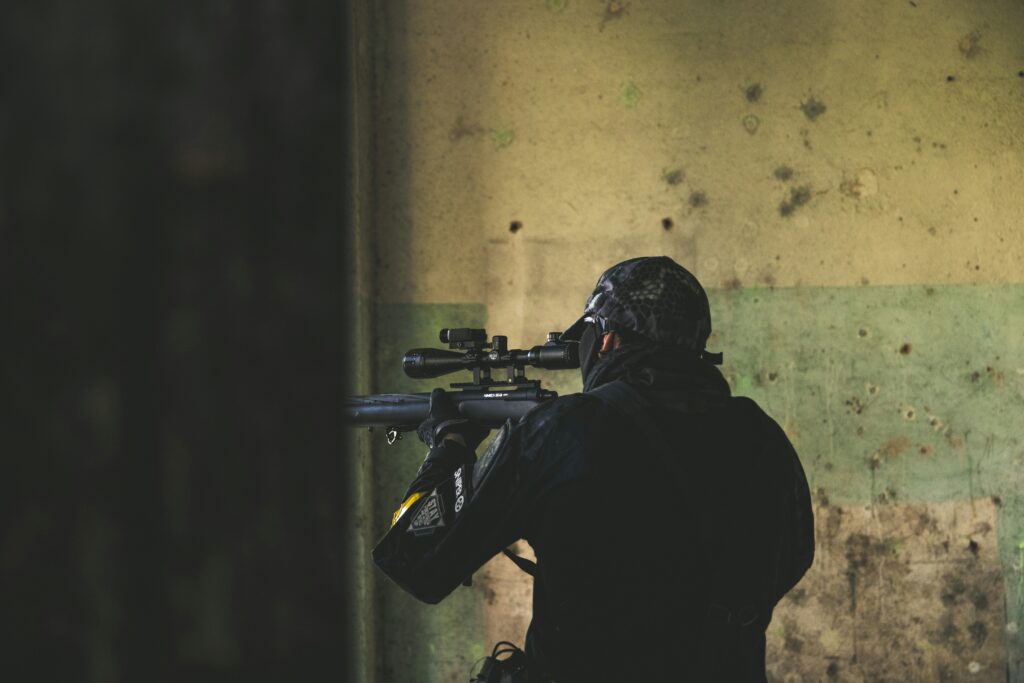
Roles matter. Entry fraggers lead and die first if needed. Their job? Break lines and soak early fire. Support players bring utility and clean up. Snipers? They anchor, hold angles, and give overwatch don’t waste them on door kicking.
For breaches, timing is king. Don’t toss a flash and wait five beats by then, they’re ready. Stack tight. Flash, breach, clear. Smoke off common angles. Use stuns just before entry to suppress counters. In short: don’t just go loud. Go smart.
Loadout Customization for Competitive Advantage
Creating a tactical edge in shooter games begins before you even fire a shot. The right loadout can tip the scales of a firefight, and understanding how to adapt your gear to the situation is a core skill of high level players.
Weapon Builds by Engagement Range
Different combat zones call for different setups. Rather than relying on one default weapon, top players tweak their builds to suit map zones and team roles.
Close Range:
SMGs or shotguns with fast ADS (aim down sights) speeds
Laser sights to improve hip fire accuracy
Lightweight stocks and short barrels for quicker movement
Mid to Long Range:
DMRs or rifles with low recoil and precise optics
Muzzle brakes or compensators to control sustained fire
Medium or long barrels to boost projectile velocity and range
Balancing Mobility, Accuracy, and Recoil Recovery
Finding the right balance between agility and control is key to surviving high pressure engagements.
Key considerations:
Choose attachments that reduce sway without slowing down your aim
Stick with stocks and grips that allow quick repositioning between shots
Manage recoil recovery to avoid missing follow up shots during intense exchanges
Accessory Synergy for Maximum Impact
Attachments aren’t standalone enhancements they should work in concert.
Combine tools wisely:
Optics: Pick sight types based on map size and engagement range
Grips: Vertical grips help with recoil; angled grips improve handling
Suppressors: Useful for stealth plays but may reduce range pair with high damage ammo if available
Lasers: Great for hip fire builds but reveal position if carelessly used
Smart Gear Usage
Winning isn’t just about bullets technical tools matter too. Modern tactical shooters include gadgets that can reshape a firefight.
Recommended gear:
Drones: For recon, marking enemies, and pathing safe entries
Gadgets: Breach charges, deployable covers, or camera feeds
Camo Systems: Adaptive camouflage or radar hiding gear can help dominate stealth maps
Always tailor your gear to your playstyle. Whether you’re an aggressive flanker or methodical anchor, each loadout choice should serve a purpose beyond firepower.
Training to Stay Sharp
Staying competitive in tactical shooters requires more than just in game time it takes intentional skills development, review, and adaptability. Whether you’re playing ranked or running casual matches, consistent training habits will give you an edge.
Sharpening Aim with Purpose
Raw aim is still a core differentiator between average players and top tier competitors. But not all aim trainers are created equal.
What Works:
Use reputable aim trainers like Aim Lab or KovaaK’s for tracking and flick focused routines.
Warm up with target drills before high stakes matches.
Prioritize consistency over flashy plays micro adjustments win gunfights.
Focus Areas:
Tracking moving targets across varying speeds
Practicing quick target acquisition under time pressure
Adjusting sensitivity to match your playstyle and muscle memory
Reviewing Your Own Gameplay
Watching your matches back is one of the fastest ways to improve.
Why it matters:
Spot recurring positioning mistakes or poor decision making patterns
Recognize when you’re whiffing shots vs. being outplayed
Understand how enemies exploit your team’s weak points
How to do it effectively:
Focus on critical moments (opening fights, clutch rounds, failed pushes)
Use slow motion and third person angles if available
Log notes on positioning, aim, comms, and kit use
Staying Aligned with Game Updates
Live service shooters change frequently, and staying current is key to staying effective.
Keep up with:
Patch notes and balance shifts that affect weapon stats or class performance
Community discussions and tier lists to gauge meta trends
Developer Q&As and roadmap reveals that signal big changes
Small knowledge gaps can lead to large performance gaps don’t get caught using outdated strats or gear.
Bonus Resource
Looking to improve across more open ended experiences too?
Boost your progression across modes: How to Level Up Faster in Open World Games
2026 Trends in Tactical FPS Combat
Tactical shooters are shifting. The genre’s heading toward brutal realism fewer sci fi shortcuts, more mechanics that simulate real world limits. Expect reloads that take their time, gear that rusts under bad weather, and barricades that crumble rather than magically vanish. Players now get penalized for treating grenades like candy and doors like background decor. Environmental interaction matters shooting out lights, locking doors, even dragging bodies. The era of static maps is dimming fast.
AI squadmates aren’t lagging behind either. Devs are rolling out bots that don’t just follow waypoints they adapt. They retreat under fire, change flanking paths, and even call out your bad plays. It’s not perfect, but it’s smart enough to teach you something on the field. Whether you’re offline or filling gaps in ranked matches, the AI is less dead weight, more tactical partner.
Balance is another frontline. Developers are not so quietly tweaking everything recoil patterns, ADS speed, damage scaling. The pace of meta shifts has picked up. If you’re still stuck in last season’s loadout, you’re already a step behind. Knowing gunplay is one thing. Knowing what’s been buffed, nerfed, or stealth reworked is another.
And the skill ceiling? It’s rising. Cross pollination between tactical and arena shooter styles means players need both brains and reflexes. Slow clearing corners while being ready to flick shot after breaching isn’t optional anymore. If you want to stay competitive, hybrid fluency is the new baseline. That means training for both method and momentum.
Adapt or get dropped. The game isn’t waiting around.