Why Movement Matters in 2026’s Competitive Landscape
Execution speed isn’t just a nice to have anymore it’s the gatekeeper to top tier play. The difference between a kill and a respawn often comes down to who moved first, who moved smarter, and who didn’t overthink it. Across competitive formats whether it’s a first person shooter, a battle royale, or a MOBA movement is no longer just a vessel. It’s the weapon.
In FPS titles, advanced strafing, repositioning mid fight, and map traversal create windows to survive and strike. Mobas leverage predictive pathing and animation canceling to dodge skillshots, rotate for objectives, and fake ganks. Battle royales? Victory usually belongs to the squad who takes the high ground first, not the one who got the better loot.
What separates the elite from the good isn’t raw aim anymore it’s kinetic awareness. Reading your opponent’s rhythm. Interrupting predictable patterns. Aligning movement with map control and objective timing. And the best players? They make split decisions under pressure that look choreographed but are really just instinct dialed in through hours of reps.
Outplaying isn’t always about fighting better. It’s about moving smarter.
Technique 1: Mastering Strafing Variations
Strafing isn’t just side to side movement it’s timing, discipline, and knowing how to make your model harder to hit while still landing your shots. Counter strafing is the foundation. Tap the opposite direction key just before firing out of movement to cancel momentum. Done right, this makes your hitbox register as static for a split second, tightening your accuracy without needing to stop cold. In high tier play, that single frame matters.
Peek shot timing goes hand in hand. You don’t just swing around corners blindly you peek, pause just long enough to hit, then reset. It’s not flashy, but it keeps your exposure low and your time to kill fast. Full commitment to a peek without setup will just make you a predictable target.
Then there’s AD strafe vs. wide strafe. AD strafing is quick taps, intended to desync your position slightly not unreliable but readable if overused. Wide strafes give you more space to bait shots and reset peeks, but they leave you vulnerable mid motion. Use AD strafe for tight duels, wide strafe when you’re trying to draw out pre fires or disrupt enemy rhythm.
And you can’t ignore latency and server tick rate. If you’re playing with high ping or on a low tick server, counter strafes might feel delayed, and wide strafes become riskier. Your inputs don’t sync cleanly, and what feels like tight timing on your screen could look sloppy to the server. Effective movement starts with knowing your environment and adjusting tempo accordingly.
At the end of the day, movement mechanics are grounded in physics but mastered through rhythm. You’re not just strafing. You’re sending a signal: you know where you’re going, and good luck landing the shot.
Technique 2: Bunny Hopping and Momentum Abuse
Advanced locomotion isn’t just for showing off it’s a real edge when used right. In FPS games where map control and peek timing decide firefights, momentum tech like bunny hopping can break engagements wide open. But it’s not universal. You’re looking for games where physics systems still care about acceleration and directional input think Source based engines (like Apex Legends after certain patches) or indie titles that haven’t patched out legacy quirks. In these, maintaining movement speed between jumps means faster rotations, better flanks, and harder to hit profiles.
But here’s the catch: momentum abuse walks a thin line. Pull it off clean and it feels like magic. Slip up and you’ll either get flagged by anti cheat or simply desync from the server, especially in titles with strict netcode. Clean execution matters. That means mastering jump timing, input buffering, and maintaining vector control midair without triggering server suspicion or awkward rubberbanding.
If you play where movement tech is still alive, and you know exactly how your engine handles inertia and momentum transfer, you’ve got a weapon most players never touch. Just don’t expect forgiveness from the system or your opponent if you mess it up.
Technique 3: Slide Cancelling & Surfing Mechanics
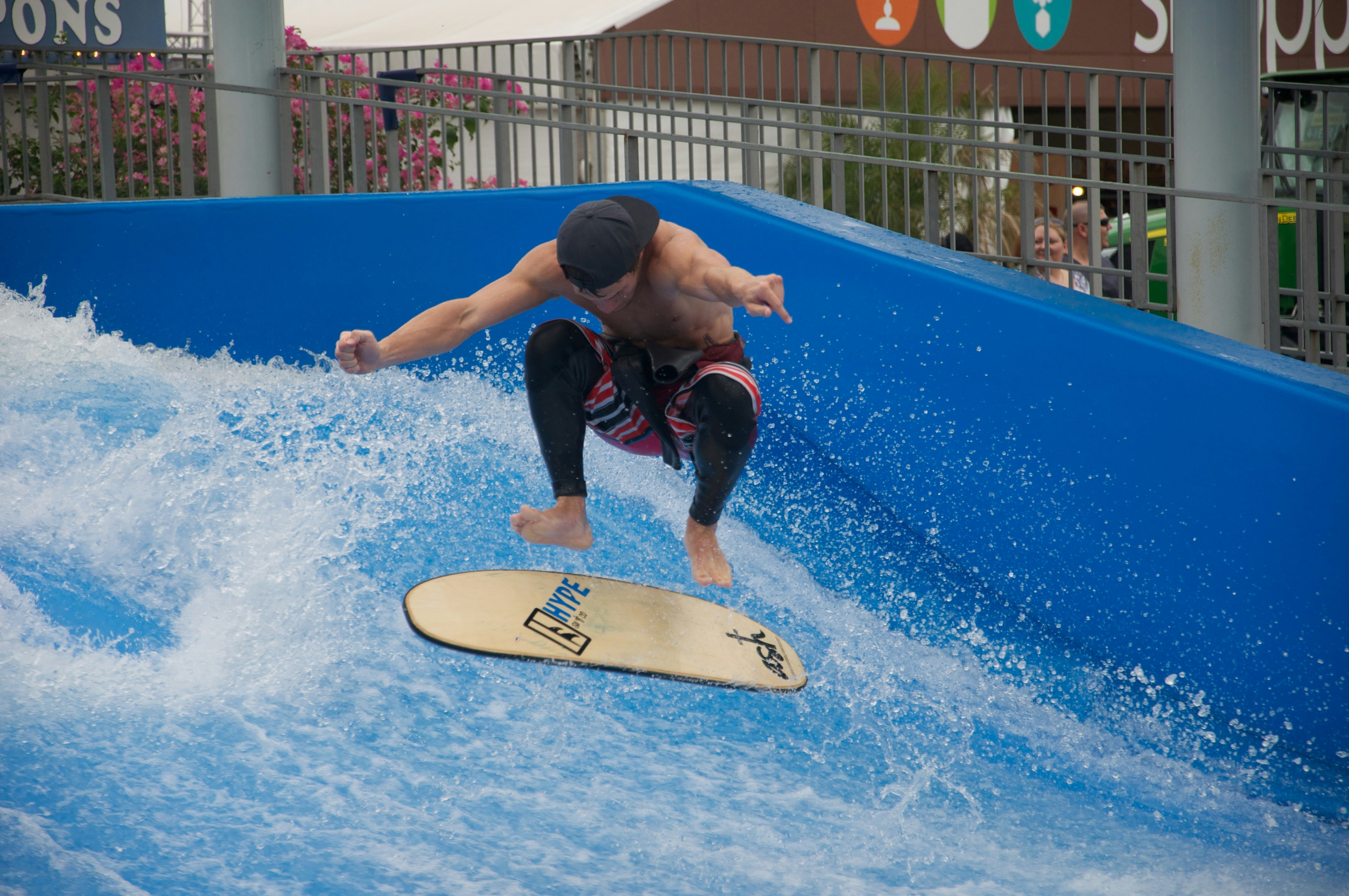
Slide cancelling used to be a crutch broken enough to abuse, easy enough to rely on. That changed fast post 2024 patches. Most major titles either nerfed it outright or forced tighter timing windows. Instead of button mashing your way to momentum, you now need clean transitions, stricter spacing, and stronger awareness of in game systems. What’s left isn’t gone. It’s refined.
Certain games like Apex Legends, Warzone 3, and split mod engines in the indie scene still reward terrain based speed manipulation. Downhill slopes, angled walls, and stringable surfaces give an edge if you know how to move. Surfing mechanics and high friction cancel inputs turn terrain into launchpads for smart players.
But raw tech isn’t enough. Building usable muscle memory means repping these moves until they’re subconscious. That’s short sets in custom lobbies, pushing edge cases in real games, and watching high skill VODs to spot patterns. The goal? Hyperspeed transitions that don’t break your rhythm or compromise your hitbox. The fewer frames you waste, the longer you survive.
Technique 4: Camera and Movement Sync
In third person games, movement isn’t just about position it’s about how you control the camera. Strafing on its own is predictable. Pairing it with tight, responsive camera rotation creates compound angles that break line of sight assumptions. Smooth camera work not only hides your next move but lets you see what others might miss corner campers, flanks forming, and soft entries you can exploit.
Desync play takes this further. By separating character orientation from camera focus, you can bait opponents. Your model suggests you’re pushing left, but your camera and actual intent are somewhere else entirely. This subtle disconnect trips up players who rely on visual reads. It’s high risk, but high reward in reactive combat environments.
Then there’s over the shoulder pathing an underrated tactic. Instead of charging into angles, top players glide to them, using indirect movement to gain sightlines just before breaking cover. It’s slower, sure. But you’re gaining info before giving it away. Discipline here wins duels.
Bottom line: sync your movement with a smart view. Control both, and you’re not just moving you’re shaping encounters before they happen.
Technique 5: Movement in Resource Driven Strategy Games
Reactive movement wastes time. In high level strategy games, every second spent fixing a mistake is a second your opponent’s economy grows faster than yours. That’s why predictive pathing sending units where they’ll need to be before threats appear is what separates mouse mashers from real tacticians. It’s about seeing three moves ahead and positioning assets proactively, not scrambling after something goes wrong.
Micro > macro isn’t just a skill flex it’s a control style. Precision dragging lets you shave off frames in an APM race, predict unit collisions, and avoid pathing derps that lose fights. Group splitting, perfect pulls, and multi harass only work if your camera and cursor are synced with intent. The margin for error is small, and the climb to mastery is steep but the rewards show up on the scoreboard.
For a deeper breakdown on how this precision ties into resource dominance, check out How to Master Resource Management in Strategy Games. It maps out exactly how movement and economy go hand in hand when the match gets serious.
Staying Ahead in 2026
Top tier movement isn’t just about knowledge it’s about repetition, refinement, and constant adaptation. If you’re not actively refining how you move in game, you’re likely falling behind. Here’s how to make your practice sessions actually matter.
Core Drills That Build Muscle Memory
To reach consistent, high performance movement, structured repetition is key. Casual play isn’t enough.
Use custom maps to isolate movement mechanics like strafing, wall bounces, or slide transitions
Train in aim trainers that allow free movement not just aim tracking
Build routines targeting known weak points (e.g., slow pathing during reloads)
Focused drills make your advanced movement automatic under pressure.
Break Out of Your Comfort Loop
Many players get stuck repeating the same paths, jump timings, or evasion tricks. Challenging yourself to experiment is what pushes you into higher skill territory.
Cycle through different characters or movement builds
Learn new tech even if it’s not currently meta trends evolve
Record experimental sessions to analyze what felt awkward vs. what added speed or unpredictability
Growth starts where familiarity ends.
Use Replays as a Movement Diagnostic Tool
Mechanical mistakes rarely feel obvious in the moment. That’s why watching yourself back is powerful.
Track inefficient routes you default to
Identify moments where you slowed unnecessarily or telegraphed movement
Compare movement decisions between wins and losses
Tip: Watch replays at 0.75 speed and focus only on movement not gunfights or macro decisions.
By treating each review session as a blueprint check, your movement becomes more intentional and less reactive.
Final Take
Movement depth is the new skill ceiling. It’s where the average player taps out, and the serious competitor digs in. What separates a casual highlight reel from a tournament run isn’t simply aim it’s knowing how to move with intent, in and out of combat, offense to defense. You see it in tight spacing, off angle approaches, and the kind of kinetic rhythm that throws opponents off balance before the first shot’s fired.
Thing is, you can’t fake this. There’s no shortcut to high level movement only smarter hours. Repeating the same bad patterns for ten hours does less than one hour of focused input correction. If you’re not watching your own gameplay, pushing your comfort zones, and tracking gains (however small), then you’re not improving. Period.
Grind, yes. But grind wisely. The game moves fast. You should, too.