
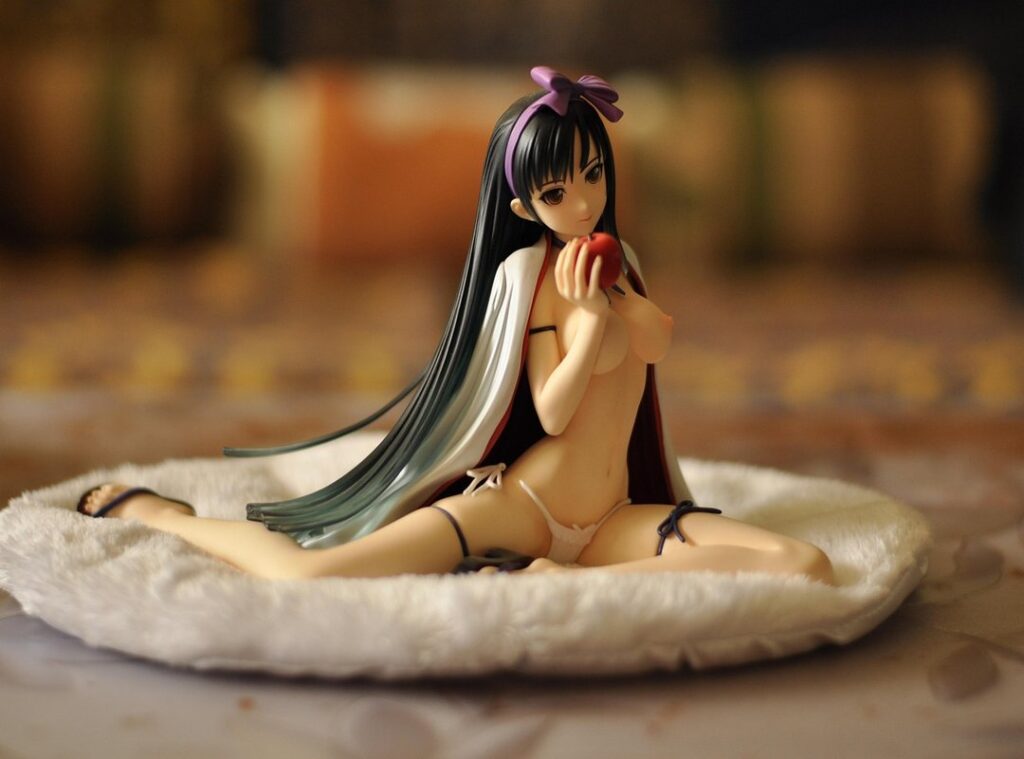
Kawaii is all about cuteness. It’s a Japanese aesthetic that’s all about making things adorable. Think big heads, big expressive eyes, and simple rounded bodies.
These are the core elements of kawaii characters.
Poppetjes, which is Dutch for little dolls or figures, fits right into this style. They’re not realistic at all. Instead, they’re charming and cute.
You’ll see kawaii in all sorts of things. Animals with human-like expressions, food items with faces, and chibi-style characters are super popular. Understanding these traits will help you pick and color your kleurplaat kawaii poppetjes to get that perfect cute effect.
Essential Techniques for Coloring Kawaii Characters
When it comes to coloring kleurplaat kawaii poppetjes, some might argue that a bold, vibrant color palette is the way to go. But I disagree. A soft, pastel color palette is key.
Think baby pink, mint green, lavender, and light yellow. These colors give that signature kawaii look.
- Start with a soft, pastel color palette.
- Use specific colors like baby pink, mint green, lavender, and light yellow.
Some folks might say gradients are too complex. Not true. Soft gradients, especially for adding a blushing effect on the cheeks, can be simple.
Just use a pink or red colored pencil and blend gently.
- Create soft gradients for a blushing effect on the cheeks.
Crisp white highlights? Absolutely. Use a white gel pen or leave small areas uncolored.
This makes the character look shiny and vibrant.
- Add crisp white highlights to the eyes and rounded surfaces.
Flat coloring is your friend. It keeps the design clean and uncluttered. That’s essential in kawaii art.
- Use simple, flat coloring for the majority of the character.
Patterns? Sure, but keep them simple. Polka dots, tiny hearts, or stripes add charm without overwhelming the design.
- Incorporate simple patterns like polka dots, tiny hearts, or stripes.
Tools matter. Alcohol markers for smooth blending and colored pencils for soft, buildable shading work best.
- Use alcohol markers and colored pencils for the best results.
In the end, it’s about balance. You can still have fun and be creative while sticking to these techniques.
Popular Themes for Kawaii Doll Coloring Pages
When it comes to kleurplaat kawaii poppetjes, there’s a whole world of adorable and imaginative themes to explore. Let’s dive into some of the most popular ones.
First up, Kawaii Food & Drinks. This theme is all about turning your favorite treats into cute, smiley characters. Imagine coloring pages with smiling cupcakes, happy sushi rolls, or boba tea with cute faces.
It’s not just fun; it’s a great way to spark creativity and imagination in kids.
Moving on to Magical & Fantasy. Here, you’ll find adorable unicorns with rainbow manes, tiny friendly dragons, and sweet-looking witches or fairies. These magical creatures are perfect for sparking a child’s sense of wonder and storytelling.
Plus, they make for some really charming and colorful artwork.
Next, we have Cute Animal Characters. This theme features the most popular subjects like chubby cats, pandas, bunnies, and corgis. Often depicted doing human-like activities, these animals are not just cute but also relatable.
They can help children develop empathy and a love for animals.
Another imaginative theme is Everyday Objects with Faces. In this one, items like smiling clouds, cheerful school supplies, or happy little plants are turned into characters. It’s a fun way to see the world through a different, more whimsical lens.
Kids can learn to appreciate the little things in life and find joy in everyday objects.
Lastly, let’s not forget the seasonal kawaii themes. For Halloween, you might find cute ghosts and pumpkins. For Christmas, festive reindeer and snowmen.
These seasonal characters add a timely and festive touch to any coloring session, making them perfect for holiday activities and celebrations.
Step-by-Step: How to Draw Your Own Simple Kawaii Figure

Drawing a kawaii-style bear or cat can be super fun and easy. Let’s break it down into simple steps.
First, grab your pencil and paper. You ready? Let’s go. Tgarchirvetech
Step 1: Start with the Head
Draw a large, slightly squashed circle for the head. In kawaii art, the head is typically the largest part of the body. This gives your character that adorable, cute look.
Step 2: Add the Eyes
Add two large, simple circles for the eyes. Place them far apart and low on the face. Inside each eye, add a smaller circle for a pupil and a tiny circle for a reflective highlight.
This makes the eyes pop and adds life to your character.
Step 3: Draw the Face Details
Use a very small, simple shape for the mouth. A ‘w’ or a small triangle for a nose works great. Add two oval blush marks directly under the eyes.
These little details make your kawaii figure extra cute.
Step 4: Sketch the Body
Draw a small, simple body that is significantly smaller than the head. Use basic shapes like a rounded rectangle or an oval for the torso. The simplicity here keeps the focus on the big, adorable head.
Step 5: Add the Final Touches
Finish your character by adding simple details like rounded ears on top of the head, nubby arms and legs, and a short, simple tail. These little touches bring your kawaii figure to life.
Pro Tip: Keep your lines simple and clean. Kawaii art is all about minimalism and cuteness.
Now, let’s compare two different styles. A vs B: Bear vs Cat.
Bear:
– Large, round head
– Small, round ears
– Short, stubby snout
– Tiny, round paws
Cat:
– Large, round head
– Pointed, triangular ears
– Small, triangular nose
– Thin, whiskered cheeks
Both are cute, but the subtle differences in ears, noses, and paws make each one unique. Choose the one that speaks to you!
Remember, practice makes perfect. Don’t worry if your first few attempts aren’t exactly what you envisioned. Keep at it, and soon you’ll have a whole collection of kleurplaat kawaii poppetjes to show off.
Happy drawing!
Answering Your Top Kawaii Coloring Questions
What are the best colors for a kawaii background? Use very light pastel colors or simple patterns like stripes and polka dots. This ensures the main character stands out.
Can I use markers on regular printer paper? It’s possible, but place a protective sheet of paper behind to prevent bleed-through. For the best results, use thicker cardstock.
How do I make the eyes look extra shiny? The white gel pen technique is key. Add sharp highlights after the color has been laid down.
Where can I find good quality coloring pages to print? Reliable sources include Pinterest, dedicated craft and artist blogs, and educational websites. Just remember to respect artist copyrights.
Looking for kleurplaat kawaii poppetjes? You can often find them on those same sites. Just be sure to check the copyright info before you print.
Bringing Your Cute Coloring Creations to Life
Achieving the kawaii look is a combination of simple shapes, a soft color palette, and focusing on expressive, shiny eyes. You are now equipped with the knowledge to not only color these pages effectively but also to identify popular themes and even draw your own from scratch.
Start your journey by picking a simple design and practicing the blending and highlighting techniques discussed in the article. kleurplaat kawaii poppetjes can be a great starting point. Now it’s your turn! Grab your colored pencils or markers and start bringing your own world of cuteness to life today.
 There is a specific skill involved in explaining something clearly — one that is completely separate from actually knowing the subject. Jasonaires Lowenthal has both. They has spent years working with esports tournament insights in a hands-on capacity, and an equal amount of time figuring out how to translate that experience into writing that people with different backgrounds can actually absorb and use.
Jasonaires tends to approach complex subjects — Esports Tournament Insights, Player Strategy Guides, Game Reviews and Critiques being good examples — by starting with what the reader already knows, then building outward from there rather than dropping them in the deep end. It sounds like a small thing. In practice it makes a significant difference in whether someone finishes the article or abandons it halfway through. They is also good at knowing when to stop — a surprisingly underrated skill. Some writers bury useful information under so many caveats and qualifications that the point disappears. Jasonaires knows where the point is and gets there without too many detours.
The practical effect of all this is that people who read Jasonaires's work tend to come away actually capable of doing something with it. Not just vaguely informed — actually capable. For a writer working in esports tournament insights, that is probably the best possible outcome, and it's the standard Jasonaires holds they's own work to.
There is a specific skill involved in explaining something clearly — one that is completely separate from actually knowing the subject. Jasonaires Lowenthal has both. They has spent years working with esports tournament insights in a hands-on capacity, and an equal amount of time figuring out how to translate that experience into writing that people with different backgrounds can actually absorb and use.
Jasonaires tends to approach complex subjects — Esports Tournament Insights, Player Strategy Guides, Game Reviews and Critiques being good examples — by starting with what the reader already knows, then building outward from there rather than dropping them in the deep end. It sounds like a small thing. In practice it makes a significant difference in whether someone finishes the article or abandons it halfway through. They is also good at knowing when to stop — a surprisingly underrated skill. Some writers bury useful information under so many caveats and qualifications that the point disappears. Jasonaires knows where the point is and gets there without too many detours.
The practical effect of all this is that people who read Jasonaires's work tend to come away actually capable of doing something with it. Not just vaguely informed — actually capable. For a writer working in esports tournament insights, that is probably the best possible outcome, and it's the standard Jasonaires holds they's own work to.