
Why 2026 is a Turning Point for Gaming Tech
The hardware ceiling just got pushed way up. Processors built for high throughput AI operations are now running games like simulations. Real time rendering is hitting new highs think cinema level lighting and physics in live gameplay, without cooked in cutscenes. No more waiting for the next gen title to showcase what your rig can do. Most machines released in 2026 will deliver that in real time, right out of the box.
But the real shift? It’s happening off your device. Cloud based gaming is getting a serious upgrade thanks to edge computing. Content doesn’t have to travel halfway across a continent anymore it’s stored and served closer to the player. It means reduced latency, sharper interactions, and true multiplayer scale, even in graphically intense environments. For suburban Wi Fi warriors and dorm room setups, that’s a game changer.
Meanwhile, home setups are turning into mini command centers. High end GPUs are just one part of the equation. Haptics, ambient sound kits, ultra wide OLEDs people want to feel games as much as play them. And the market is catching up. Demand for immersive gear is reshaping how manufacturers think. It’s not just about speed it’s about sensory gravity.
Game Changing Hardware Releases

2026 is packed with next gen hardware that’s not just iterative it’s transformative. These new releases promise to redefine performance standards, completely shift player expectations, and open doors to more immersive worlds.
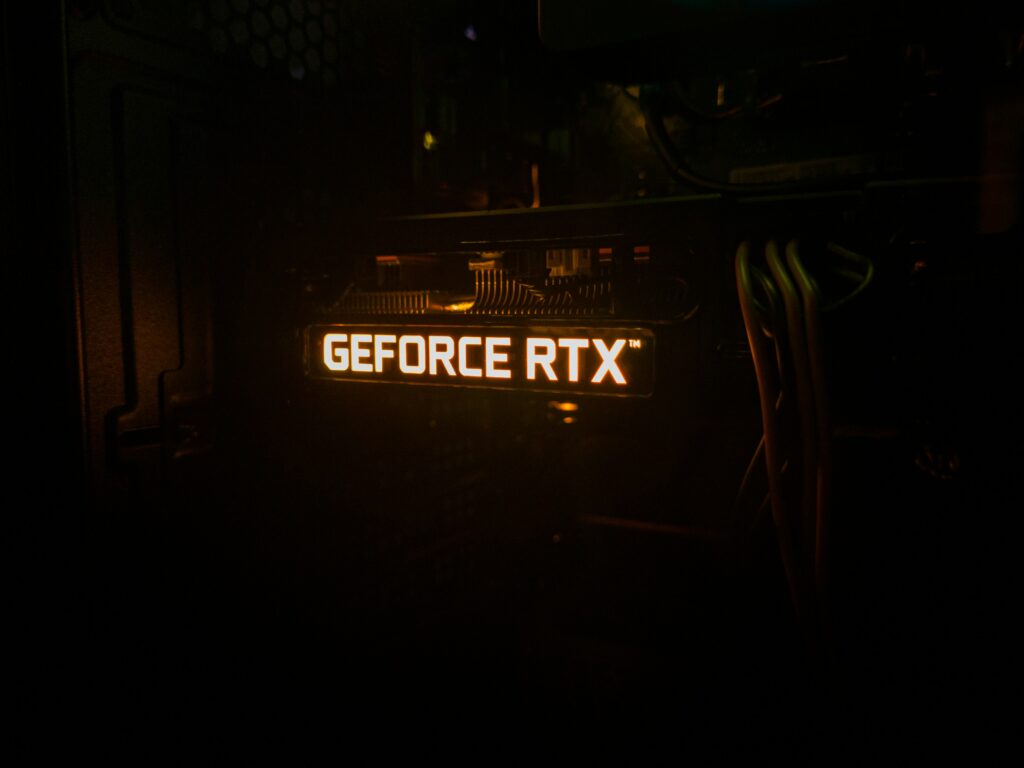
NVIDIA Geoforge RTX 5090
The Geoforge RTX 5090 isn’t just more powerful it’s built with the future of high fidelity, immersive gaming in mind.
Next Level Ray Tracing: Experience ultra fast, hardware accelerated ray tracing that enables life like lighting and shadows without compromising performance.
AI Enhanced Rendering: Machine learning boosts frame interpolation and texture detail, even under massive loads.
Optimized for 16K VR: Designed to handle next gen VR resolutions, including seamless play across multi display and dual eye VR interfaces.
Ideal for Streamers + Sim Racers: Simultaneous real time rendering and encoding push the boundaries of what solo setups can handle.
Sony PlayStation Nexus
Sony’s next console isn’t just a generational jump it’s a shift in gaming architecture.
Dual Chip System Design: One processor handles gameplay, while the second chip manages real time recording, streaming, and social integration.
Advanced Haptics: Trigger feedback now mirrors in game physical resistance, like muscle fatigue, inertia buildup, or environmental pressure.
Built for Hybrid Play: Supports seamless switching between local and cloud based gaming, depending on performance demands.
MetaQuest Horizon Pro
Meta’s latest take on the future of mixed reality comes in the form of the Horizon Pro a headset designed around movement, independence, and total world engagement.
Untethered XR Play: Ditch the wires this headset offers full room AR/VR experiences without requiring a PC or console tether.
Wearable Ecosystem: Includes smart gloves and adaptable haptic boots for a deeper sensory layer. Movements are tracked from fingers to full strides.
Immersive Game Design Potential:
Developers can now integrate terrain response, virtual texture touch, and gestural combat systems.
Hybrid gaming blending physical spaces with game overlays gets dramatically more compelling.
These three devices represent more than just hardware they’re platforms enabling new design languages, gameplay mechanics, and entirely different player expectations.
Game engines are undergoing a quiet but radical rewrite. Dev teams are rolling out updates that take full advantage of parallelized GPU processing meaning your hardware is finally being pushed to its limit, for the right reasons. That translates into better lighting, faster loading, and massive open environments running with fewer hiccups, even as asset complexity grows.
But raw visual polish isn’t the headline. What’s changing the game in 2026 is environment logic worlds that reshape themselves on the fly based on how you play. We’re talking more than just branching paths. Studios are building reactive systems where time of day, weather, dialogue trees, and even physics can shift depending on dozens of small, player led inputs. It’s a step closer to true agency.
AI is key to scaling this, especially when it comes to NPCs. No more cut and paste side quests or lifeless dialogue circles. We’re starting to see dynamic character behavior that evolves with the story arc think allies that change tactics mid battle or remember past encounters and respond accordingly.
The leap isn’t just technical. It’s philosophical: developers are finally building systems that serve player creativity, not just scripted goals.
For a closer look at how studios are adapting behind the scenes, check out How Gaming Studios Are Adapting in 2026.
What This Means for Players
The line between console and high end PC gaming is beginning to blur and that’s great news for players. In 2026, hardware and software innovation are pushing us closer to an era where access, rather than platform, defines the gaming experience.
Console vs. PC: Closing the Gap
For years, high end PCs have led the way in visual fidelity and performance. That’s changing:
New consoles now feature performance specs that rival custom PC builds
Unified architecture allows games to scale smoothly across devices
Fewer trade offs when choosing between visual quality and accessibility
This means players can expect a premium experience no matter the hardware in their hands.
Smarter, Adaptive Gameplay
Gone are the days of rigid difficulty settings. Game systems in 2026 are tuned to adapt moment by moment:
Personalized difficulty balancing based on player skill level and in game behavior
AI driven adjustments that react to gameplay patterns over time
Options for players to fine tune elements like combat intensity, exploration pacing, or character growth
These systems make gameplay feel dynamic, responsive, and tailored to the individual.
The Power of Real Time Cloud Saves
Real time cloud saving tech is transforming the narrative experience. No more checkpoints or manual saves games now track moments, decisions, and progress in real time. This enables:
Adaptive storytelling, where decisions echo across branching plot lines
Seamless transitions between devices without losing game state
Persistent worlds that evolve based on your moment to moment play
The result? Your story stays yours fluid, consistent, and fully responsive to how you play.
Welcome to a new era where technology doesn’t just support your gameplay it evolves with it.
Where It’s Headed
Gaming in 2026 is more than high frame rates and sharper textures. It’s a full body feedback loop your heart rate, gaze, even your micro expressions are now data points. The smartest games don’t just respond to input they respond to you. Feel your pulse spike during a boss fight? AI adapts the pacing accordingly. Slouching into boredom? The game tightens the tension or flips the tempo. It’s personalized difficulty without a settings menu.
Cross device play is finally taking the training wheels off. Consoles, PCs, and mobile platforms are breaking down barriers, not just syncing data but offering a nearly seamless gameplay experience. One game, one save file, any screen. Platform allegiance is losing relevance, and developers are starting to design for universality first.
But the biggest shift isn’t technical it’s cultural. We’re sliding into an era where gameplay is performance. Live participation, narrative improvisation, and audience interaction now shape the experience as much as the controller in your hand. Games are becoming media in the truest sense a hybrid of cinema, stage, and social platform. For players and creators, the line between playing and broadcasting is thinner than ever.