Relentless Consistency Over Flashy Plays
Championship teams don’t rely on miracle plays. They win because they master the basics every time. At the top level, it’s not about highlight reels. It’s about tight coordination, precise map control, and ruthless focus on objectives. These teams don’t just know the playbook they execute it on command, under pressure, round after round.
That kind of execution doesn’t come from talent alone. It comes from repetition. Drills. Review. Practice until decisions are automatic. Because in a title deciding moment, you don’t want instinct to guess you want it to execute.
Discipline is the backbone. The teams that show up every day, that treat scrims like LAN finals, that hold teammates (and themselves) accountable for every missed comm and failed rotate those are the squads that stay at the top. Brilliant plays are great for clips. Repeatable plays win titles.
Structure That Supports Excellence
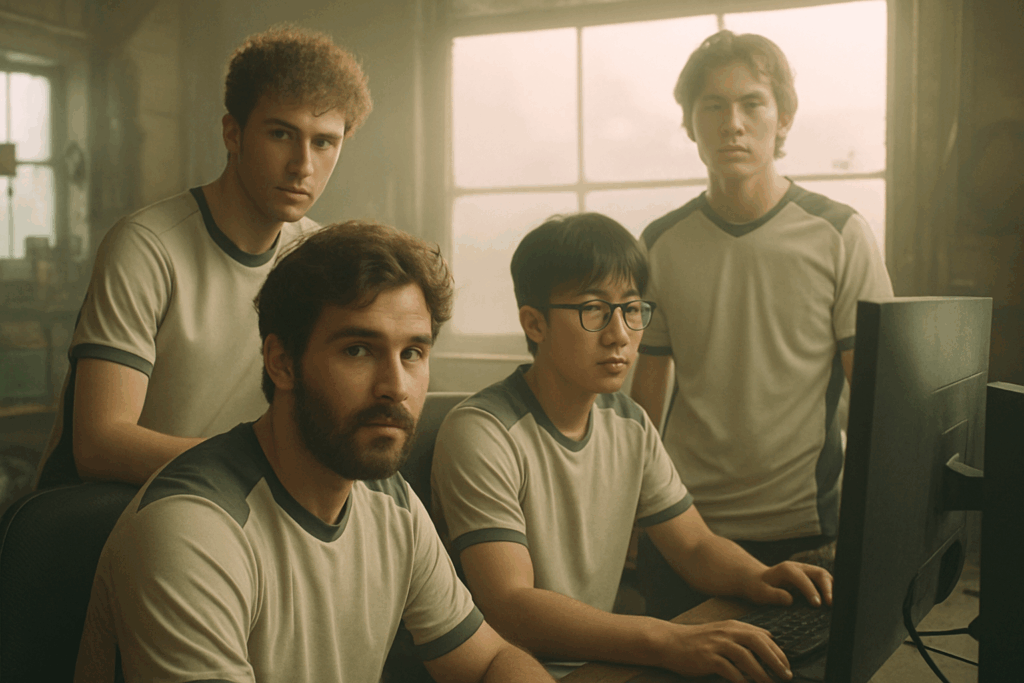
Behind every elite esports team is a foundation that runs deeper than highlights and hype clips. It starts with leadership usually a veteran player or a seasoned in game leader (IGL) who’s been through the fire. These are the voices that call the pace, adjust on the fly, and hold the squad accountable when it matters most.
Defined roles are just as critical. Everyone knowing their job whether that’s entry fragging, anchoring a bomb site, setting utility, or shot calling means less chaos, more clarity. It’s not about ego or kills. It’s about execution.
Then there’s the organizational layer. Championship teams don’t just rely on talent; they lean on structure. Bootcamps. Analysts. 24/7 support from nutritionists to mental coaches. The top orgs understand that peak performance is a system, not an accident. Players show up, the infrastructure makes sure they’re locked in not just mechanically, but emotionally and strategically, day in and day out.
Impact of Coaching and Analysis in 2026
Elite esports teams aren’t winging it. Behind every top five squad is a backroom that looks like something out of a pro NFL or Premier League club. Analysts, coaches, mental performance experts these roles don’t just exist, they drive wins. No major tournament is approached without a tactical breakdown, a stack of VOD reviews, and weeks of data analysis.
Every match is dissected. Every player’s decisions are tracked. Coaches know how many times a player peeked corner B on CT side and what happened each time. This isn’t about micromanaging it’s about sharpening habits and patching leaks before they cost maps. Teams use this intel to counter specific opponents, refine timing on site executes, or even adjust default setups at a pixel level.
The goal? Build predictable cohesion with unpredictable execution. And it works. That extra 5% of prep often makes the difference in round 29.
If you want to see how deep the rabbit hole goes, check out this in depth look: The Role of Coaches and Analysts in Successful Esports Organizations.
Adaptability to Meta Shifts

In 2026, today’s strategy is tomorrow’s relic. Game updates hit faster than ever sometimes overnight and teams that hesitate get blindsided. Elite squads don’t just react to these changes; they prepare for them in advance. That means running private scrims, stress testing comps behind closed doors, and burning through hours of sandboxing before the rest of the world sees what’s next.
Keeping a competitive edge isn’t about being flashy it’s about staying two moves ahead of the patch notes. Top tier teams have protocol lists for each meta shift. They take what’s new, strip it to its core, and break it until it works. If something’s overpowered, they find its ceiling. If something’s underrated, they exploit it.
At LANs, meta flexibility is currency. There’s no time to warm up to the patch you either load in ready or get exposed. Teams that can pivot mid series, switch characters, strats, or even playstyles, are the ones that survive championship weekends. The rigid crumble fast. The adaptable? They lift trophies.
Mindset: Ruthlessness Meets Respect
No team wins a title on mechanics alone. Composure under fire is the difference between a highlight reel and a trophy lift. The best squads don’t just avoid collapse they get sharper when the game turns brutal. One round at a time, one play at a time. Eyes forward, not inward.
Mental toughness shows up after the stumble. A blown lead. A miscall. Elite teams don’t spiral; they reset. Fast. That’s not luck it’s built into daily reps, post loss reviews, and how leaders handle pressure when no one’s watching.
In the chaos of a final map, trust does the heavy lifting. Everyone knows their lane. Comms stay crisp. Adjustments happen in real time, and egos take a back seat to clarity. No second guessing. No tilt. Just execution.
And when mistakes happen and they will there’s no finger pointing. Championship teams own it, move on, and tighten the next round. Accountability is a team sport. The fans notice the wins. The players know what made them possible.
Talent Development and Bench Strength
Championship teams aren’t built in a single season. The best squads plan years ahead, nurturing fresh talent through structured scrims, hands on mentorship, and role shadowing. New players don’t just watch they do. They grind in practice, sit in on strategy meetings, and sometimes even call plays in internal matches. It’s a slow build, but one that pays off when the spotlight hits.
Meanwhile, backup players aren’t just insurance. They’re expected to stay sharp, plug and play ready. Top organizations treat bench strength seriously rotating subs into practice modules, simulating pressure situations, and investing in their growth as much as the main roster’s. There’s trust, not just talent.
Why? Because every team wants to win now. But elite teams want to win again, and again, and again. Developing players isn’t optional if you’re trying to build a dynasty and in 2026, no squad gets elite without a deep bench and a long game.
Final Word: There’s No Secret Formula
Every elite esports team might look different on paper a flashy playmaker here, a methodical support there but at the core, they’re built on the same three pillars: discipline, structure, and adaptability. These aren’t buzzwords. They’re the rulebook for surviving and thriving when the spotlight and the pressure both heat up.
In 2026, being the best for a day isn’t enough. The game evolves, the meta shifts, opponents get smarter and hungrier. So the question isn’t just how good are you right now it’s how fast can you adjust and stay ahead? That’s the split between good and great.
Great teams hit the trophy stage. Elite teams change how the game is played. They rewrite strategies, force meta pivots, and leave behind blueprints other squads spend seasons trying to decode. That’s the bar now. Maintain your edge or hand it to someone who will.