

Why 2025 Was a Pivotal Year for Gaming Business Moves
The past year didn’t just reshape the gaming industry it redrew the map completely. 2025 saw an aggressive surge in consolidation as studios, publishers, and even entire platforms stitched themselves together into fewer, larger power centers. Whether due to economic pressure or strategic scaling, the M&A pace ramped up fast and didn’t slow down. If you were a mid sized game company in 2024, chances are someone bigger came knocking in 2025.
Much of this activity has been about survival in a highly fractured landscape. Gamers now split their attention across console, mobile, cloud, VR, and streaming platforms. The fight for time and loyalty isn’t just in the games themselves it’s across ecosystems. Big players with multi platform reach are pulling ahead, leaving smaller studios scrambling for visibility unless they get acquired, align with a larger publisher, or find a niche cult following.
The urgency wasn’t random. Global market forces like inflation, post pandemic user behavior shifts, and hardware bottlenecks put studios under financial stress. At the same time, tech innovation particularly in AI, cloud infrastructure, and distribution lowered the barrier to scale. The result: bigger companies got even more aggressive, and smaller ones had to move fast or get out of the way. 2025 was less about playing games and more about playing smart.
Megacorp x PixelForge Studios
The $2.4B Megacorp acquisition of PixelForge Studios sent a clear message: cloud gaming isn’t just a buzzword it’s the next battleground. Megacorp now holds a deeper bench of IP optimized for streaming platforms, and their roadmap leans hard into cross platform development. Think console, mobile, PC all talking to each other, all sharing the same ecosystem.
Hypernova Interactive acquires DreamCore Games
Hypernova’s purchase of DreamCore is consolidation with intent. Both were already heavy hitters in mobile gaming, but together, they form a super publisher poised to push gamified AI and aggressive in app monetization strategies. Expect smarter NPCs, dynamic difficulty, and tailored gameplay loops all designed to keep thumbs tapping (and payments flowing).
Stormplay merges with EchoFrame
Stormplay’s merger with EchoFrame blends immersive tech with proven worlds. EchoFrame brings storytelling DNA and a stack of dormant franchises; Stormplay supplies the VR engines and motion tracking wizardry. This is a long play a move toward full sensory, narrative driven gaming experiences that actually stick. Watch for the teaser drops; they’re not just for hype, they’re the start of something bigger.
What These Deals Mean for Gamers
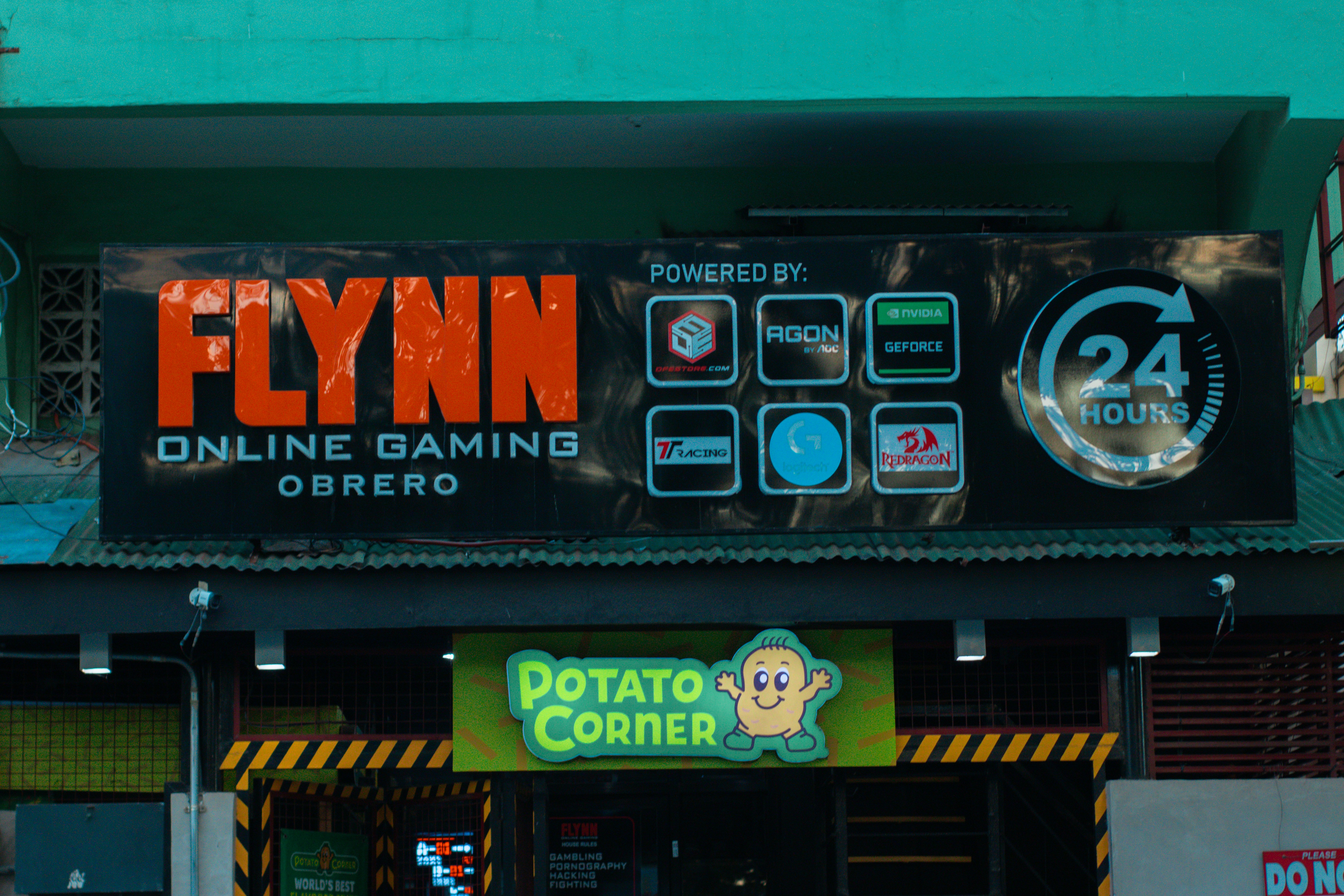
The wave of studio acquisitions in the past year is changing the gaming landscape and not all of it feels like progress. One noticeable trend: there are fewer indie voices in the mix. As smaller, risk taking studios get absorbed or sidelined, the industry is leaning harder on safe bets. Expect more reboots, more sequels, and more of what’s already worked. Franchises carry less risk, and big companies prefer predictability over experimentation.
On the flip side, consolidation is beefing up infrastructure. Bigger studios mean better servers, smoother cross platform experiences, and quicker updates. But here’s the trade off: some of the wild creativity that comes from indie teams could get buried under corporate strategy.
And then there’s access. Subscription models aren’t just a trend they’re becoming the default. From GamePass to Ubisoft+, platforms want you on a recurring payment cycle. For gamers, it could mean lower upfront costs and easier access to dozens of titles. But it also means less ownership and more dependence on what the platforms decide stays available. The store is open 24/7, but the shelves can change without notice.
Tech’s Key Role in Driving M&A Activity
Technology is no longer just a support system for games it’s at the core of the biggest mergers and acquisitions in the industry. In 2025, tech innovation wasn’t just influencing game design but directly shaping high stakes business decisions.
Cloud Gaming: The Competitive Edge
Cloud gaming has moved past the experimental stage and is now a decisive factor in acquisition strategies. Companies want infrastructure that can scale globally and deliver high performance gaming across any device.
Reduced friction for users across platforms
Expands access to AAA quality gaming with lower hardware demands
Key acquisitions prioritize companies with proven cloud distribution capabilities
AI Driven Personalization Is the New Standard
AI goes beyond dynamic difficulty adjustments. M&A activity increasingly favors studios and platforms offering:
Personalized gaming experiences based on playstyle
Adaptive storytelling and dialogue engines
AI systems that enhance matchmaking, progression pacing, and content recommendations
Expect gaming companies to invest further in data science teams and proprietary personalization models to improve both retention and monetization.
Proprietary Engines and Middleware: A Hidden Battleground
Control over technology stacks is becoming as important as IP libraries. Companies are seeking to acquire more than just creative talent they want:
In house engines tailored for specific genres or platforms
Custom middleware that reduces development time and increases flexibility
Secure, scalable tools that give them independence from third party licensers
Ownership of tech enables faster iteration, protects margins, and minimizes technical debt as games grow more complex.
Related Trend: Next Gen Hardware Influence
These tech priorities are also closely tied to hardware innovation. For a broader view, explore this related piece:
Tech and Gaming: New Hardware Launches That Could Redefine Gameplay
From accelerated processing units to neural rendering capabilities, what powers the game increasingly powers the deal.
Market Impact and What to Watch in 2026
Investor money is flowing squarely toward safe bets: massive AAA titles and proven live service ecosystems. Franchises with predictable revenue curves think annual releases or seasonal battle passes are more attractive than ever. It’s a business move, not a passion project. Stability and scale now outrank novelty.
This tilt in confidence puts independent developers in a vice. With consolidation thinning the herd, small studios are left with two options get acquired or get scrappy. Funding is harder to land unless they punch well above their weight. Publishers want scalable successes, not artistic risks.
Still, innovation hasn’t tapped out. Some of the most surprising breakout games come from corners nobody’s watching. When big studios play it too safe, creative cracks open for someone else to sneak through. 2026 will likely bring more deals and partnerships, but also pockets of resistance teams building smart, strange, genre pushing work because they have no other choice. That’s where the future sneaks in.